

How to Choose Reliable Military-Inspired Clothing
Table of Contents
- Understanding Military-Inspired Clothing vs. Genuine Surplus
- Evaluating Military-Style Clothing Materials
- Assessing Construction Quality and Stitching
- How to Wear Military Style with Proper Fit and Comfort
- Building Your Reliability Checklist Before Buying
- Care, Repair, and Long-Term Durability
- Frequently Asked Questions
Last Updated: October 21, 2026
Understanding Military-Inspired Clothing vs. Genuine Surplus
The difference between authentic military-inspired clothing and genuine surplus gear matters. Authentic pieces come from actual military contracts; fashion reproductions copy the look without the durability or heritage.
Genuine issue clothing carries contract labels with specific nomenclature codes. These labels tell you exactly where the garment came from and when it was manufactured. Fashion brands, by contrast, design pieces that look military without meeting military standards.
The stakes are real. A genuine surplus field jacket will outlast five fashion reproductions. The stitching holds. The fabric breathes correctly. The hardware doesn't fail after three months of wear.
Reading Contract Labels and Nomenclature
Contract labels are your first verification tool. Look for these key elements on any garment you're considering:
- Contract number, A unique identifier showing the manufacturer and production batch
- NSN (National Stock Number), A 13-digit code assigned by the military supply system
- Date of manufacture, Usually printed or woven into the label
- Size designation, Military sizing differs from commercial sizing
- Material composition, Listed as percentages of fiber content
Genuine military garments include all of these; fashion reproductions typically have only a brand name and generic size. If you can't find a contract number or NSN, it's a reproduction.
Nomenclature codes describe the item's intended use. A "field jacket" has a specific military meaning, designed for field conditions with particular pocket placement and closure systems. A fashion brand might use the term simply because it has a collar and pockets.
Spotting Fashion Reproductions
Fashion reproductions are harder to spot because manufacturers have studied authentic pieces carefully, but key differences remain visible.
Reproductions often use thinner fabric to cut costs and skimp on hardware: zippers fail faster, buttons aren't as durable, and thread quality differs even when the stitching pattern matches.
The price point offers a clue. Authentic surplus costs less than new fashion reproductions because military contracts prioritize function over profit margins.
Check the tag construction itself. Military tags are simple, functional, and sewn with specific stitching patterns; reproductions often feel flimsy or poorly attached, and their cheap printing fades quickly.
Evaluating Military-Style Clothing Materials
Material quality determines how long your garment will serve you. Military-inspired clothing must handle real conditions, so the fabric itself matters tremendously.
Fabric Weight and Durability Standards
Military fabric is measured in ounces per square yard. This weight directly correlates to durability and longevity. Heavier doesn't always mean better, but it indicates substance and staying power.
A quality field jacket typically uses fabric weighing 8-12 ounces per square yard. This weight provides durability without excessive bulk.
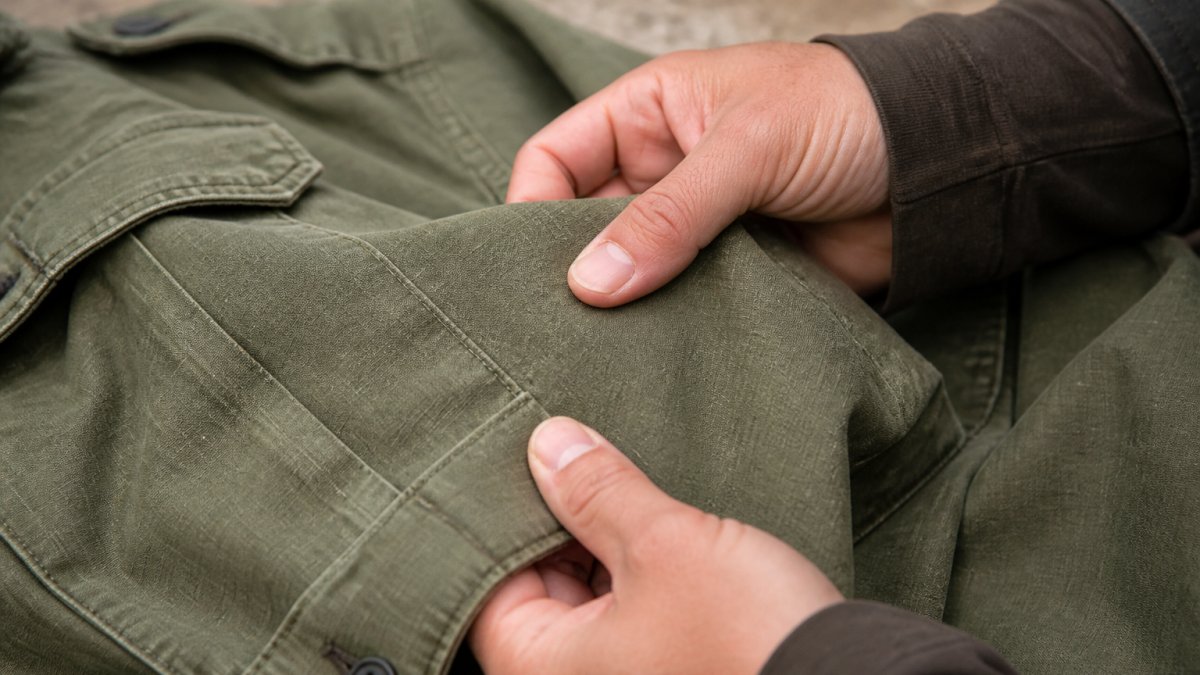
Feel the fabric between your fingers. Quality military material resists tearing, doesn't pill or fray easily, and has a tight, consistent weave. Authentic military fabric feels substantial and intentional.
Cotton-poly blends were standard in military manufacturing for decades. These blends offer practical advantages: cotton breathes while polyester adds durability and reduces wrinkles.
Weather-Appropriate Choices for Your Intended Activity
Different garments serve different purposes, so choose the right material for your intended use.
For warm weather wear, look for lighter cotton or cotton-blend pieces. A genuine military shirt in 100% cotton breathes well and handles sweat.
Cold weather gear requires different materials. Wool-blend field jackets provide insulation without excessive weight. Genuine military wool pieces often use 80/20 wool-nylon blends that resist moisture while maintaining warmth.
Consider the climate where you'll wear the garment most.
Assessing Construction Quality and Stitching
Construction quality separates reliable gear from pieces that fall apart. Military garments undergo durability testing before approval. Fashion reproductions skip these requirements.
Hardware and Seam Strength Checks
Examine every seam closely. Authentic military stitching follows specific patterns. The thread is heavy-duty polyester or nylon, not thin cotton. Seams are usually double-stitched or box-stitched for strength.
Hardware includes buttons, zippers, snaps, and D-rings, made from durable materials like brass, stainless steel, or heavy-duty plastic. Authentic military zippers move smoothly without catching; cheap reproductions jam or break.
Buttons on genuine military gear are usually plastic or metal, sewn with heavy thread through reinforced holes. Fashion reproductions often use buttons sewn with thin thread that breaks easily.
D-rings and attachment points are reinforced with extra stitching. These areas see stress during actual use. Military garments expect rough handling.
Identifying Poor Workmanship Before Purchase
Poor workmanship shows clearly if you look.
Uneven stitching lines suggest poor quality control. Military garments maintain consistent stitch lines even in complex areas.
Check pocket construction. Military pockets are reinforced at the corners where stress concentrates. Reproductions often have simple pockets with minimal reinforcement. Open a pocket and look inside.
Inspect seam allowances.
Look for color consistency. Military fabric dyes uniformly. Reproductions sometimes show uneven color distribution or fading in specific areas.
How to Wear Military Style with Proper Fit and Comfort
Fit determines whether military-inspired clothing works in your life; poor fit undermines even the best-quality garment.
Fit for Movement and Layering
Military garments are designed for layering and movement. Shoulders should sit at your actual shoulder point, not hanging past it. Sleeves should end at your wrist bone when arms hang naturally.
Test movement: raise your arms overhead, then bend forward and backward. Military gear expects dynamic use, so fit must accommodate real motion without restricting.
Length matters for different pieces. Field jackets typically hit at the hip. Trousers should break slightly on your shoe without bunching. Shirts should be long enough to stay tucked during movement.
Layering capability is essential. Military-inspired clothing works best when you can add or remove layers based on conditions.
Sizing, Return Policies, and Fit Guarantees
Military sizing differs from commercial sizing. A military medium isn't the same as a commercial medium. When ordering online, always check the specific measurements provided by the seller.
Return policies protect you when fit isn't right.
Fit guarantees vary by seller: some exchange garments without restocking fees, others charge them. Factor these policies into your decision before ordering.
When ordering online, measure yourself with a soft tape: chest at the fullest point, sleeve from center back neck to wrist bone, torso from shoulder to hip. Compare to the seller's sizing chart, not standard commercial sizing.
Building Your Reliability Checklist Before Buying
Use this systematic approach to evaluate any military-inspired garment before purchase. Work through each step in order.
Step 1: Verify the Garment Label and Authenticity
Examine the label first for contract numbers, NSN codes, and manufacture dates. Genuine military pieces have this information; take photos of the label if buying online.
Check for multiple labels. Military garments often have a main label plus care, material, and manufacturer labels; reproductions typically have only one.
Look up the NSN if present. The military supply system maintains records of issued items. If the NSN is real, you can verify what item it represents.
Step 2: Inspect Materials and Weight
Feel the fabric. Is it substantial or thin? Compare it to other pieces if possible; authentic military fabric feels different from fashion fabric.
Check the fiber content. Military pieces commonly use cotton-poly blends or wool blends. Pure synthetic fabrics are less common in genuine surplus.
Weigh the garment in your hand. Substantial weight indicates quality. Light, flimsy pieces suggest fashion reproductions.
Step 3: Check Construction and Hardware
Examine all seams. Count stitches per inch. Look for double-stitching at stress points. Run your finger along seams, they should feel smooth and even.
Test all hardware. Zippers should move smoothly. Buttons should be secure. Snaps should click firmly. D-rings should be reinforced.
Look for loose threads or unfinished edges. Quality pieces are finished cleanly.
Step 4: Confirm Fit and Movement
Try on the garment if possible. If ordering online, use the sizing measurements provided. Verify chest width, sleeve length, and torso length against your own measurements.
Test movement. Raise arms, bend, twist. The garment should move with you without restriction.
Check for layering capability. Does it fit over typical undershirts and sweaters?
Step 5: Evaluate Return Policy and Warranty
Confirm the return window. Can you return or exchange if fit isn't right?
Check for restocking fees. Some sellers charge fees for returns while others don't.
Ask about warranty. Some sellers guarantee construction quality for a specific period. This protection matters for expensive pieces.
| Checklist Step | What to Verify | Why It Matters |
|---|---|---|
| Label & Authenticity | Contract number, NSN, manufacture date | Confirms genuine military origin |
| Materials & Weight | Fiber content, fabric weight, texture | Determines durability and longevity |
| Construction & Hardware | Seam stitching, zipper quality, button security | Prevents premature failure |
| Fit & Movement | Measurements, shoulder fit, sleeve length | Ensures wearability and comfort |
| Return Policy & Warranty | Return window, restocking fees, guarantees | Protects investment if piece doesn't work |
Care, Repair, and Long-Term Durability
Proper care extends the life of military-inspired clothing significantly. These pieces are built to last, but maintenance matters.
Washing and Storage Best Practices
Wash in cold water. Hot water fades colors and weakens fibers. Use gentle detergent. Harsh chemicals break down fabric over time.
Wash inside out to protect the exterior finish. This reduces fading and pilling.
Dry on low heat or air dry. High heat damages synthetic fibers and shrinks cotton. Military garments often shrink if dried on high heat, even if they're pre-shrunk.
Store in a cool, dry place. Humidity encourages mildew and mold. Use hangers for jackets to maintain shape. Fold heavier items to prevent stretching.
Avoid dry cleaning unless necessary. The chemicals used in dry cleaning can damage military-grade fabrics. Hand washing or gentle machine washing is usually sufficient.
Repairing Seams, Hardware, and Wear Points
Small repairs prevent small problems from becoming major failures. Address issues early.
Loose seams can be re-stitched by a tailor. Military-grade thread and proper stitching patterns matter.
Broken zippers can be replaced. Zipper replacement is one of the most common repairs.
Worn cuffs and collars can be reinforced or replaced. These areas see constant friction.
Small tears in fabric can be patched from the inside.
Buttons can be replaced if they break. Use buttons matching the original in material and construction.
D-rings and attachment hardware can loosen. Re-sewing them with heavy thread prevents loss during use.
Choosing reliable military-inspired clothing requires understanding the difference between authentic surplus and fashion reproductions.
Frequently Asked Questions
What should I look for in durable military-inspired clothing?
Focus on three core elements: material weight (heavier fabrics like 12-ounce cotton or canvas indicate durability), construction quality (tight, even stitching with reinforced seams at stress points), and hardware (metal buttons, zippers, and rivets rather than plastic). Check that pockets, cuffs, and collar seams are double-stitched. Examine the garment label for contract numbers or nomenclature, which signals genuine military-issue or authentic reproduction rather than fashion knockoffs.
How can I tell whether military-style clothing is well made?
Inspect the stitching by running your finger along seams, quality construction shows straight, consistent stitches with no loose threads or gaps. Look for reinforced corner stitching at pocket openings and armholes. Check hardware for weight and finish; military-grade buttons and zippers should feel solid and operate smoothly. Examine the hem for even folding and secure attachment. Fabric should feel dense and substantial; thin, flimsy material signals poor quality regardless of brand.
How should military-inspired clothing fit for everyday wear?
Military-inspired pieces should allow full range of motion for your intended activity. Field jackets and shirts should fit through the shoulders without pulling, and sleeves should reach your wrist bone when arms are at rest. Trousers should allow comfortable movement at the hip and thigh without excess bunching. Layering room is essential, allow space for a base layer or undershirt without the garment becoming restrictive. If buying online, verify the seller's return policy before purchase to ensure fit adjustments are possible.
What is the difference between military-inspired and tactical clothing?
Military-inspired clothing draws aesthetic and design elements from genuine military garments, like field jackets, chinos, and canvas boots, but is designed for civilian everyday wear. Tactical clothing is engineered specifically for professional use (law enforcement, emergency response) with features like reinforced carry systems, specialized pockets, and high-performance fabrics. Military surplus is authentic issued gear from service branches. When choosing reliable pieces, understand your actual use case: everyday wear benefits from military-inspired styling, while professional tactical needs require true tactical construction.