

How to Clean and Preserve Military Apparel
Table of Contents
- Why Proper Care Matters for Military Apparel
- Preparation: Inspection and Material Assessment
- How to Remove Stains from Military Uniforms
- Washing and Cleaning Techniques for Tactical Clothing
- Cleaning Embroidered Military Caps and Insignia
- Preserving Vintage Military Patches and Fiber Integrity
- Long-Term Storage and Environment Setup
- Frequently Asked Questions
Last Updated: October 2, 2026
Why Proper Care Matters for Military Apparel
How you clean preserve military apparel directly affects its longevity and appearance. Neglect leads to fading, fiber damage, and deterioration that's often irreversible.
Military-themed apparel represents pride, service, and heritage. Embroidered insignia, patches, and specialized fabrics demand care different from standard clothing. A simple wash cycle can damage delicate embroidery, and improper storage invites mold, pest damage, and discoloration.
Proper techniques to clean preserve military apparel keep it looking sharp for decades. This guide walks you through every step to protect your investment and honor the heritage these garments represent.
Preparation: Inspection and Material Assessment
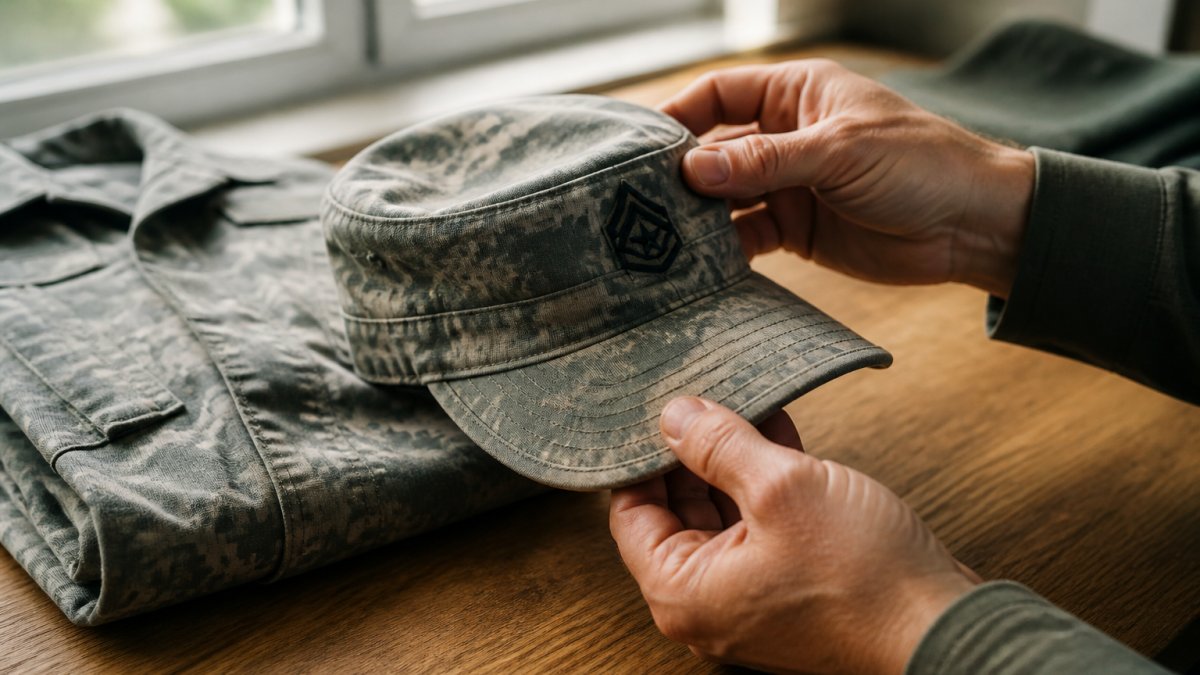
Before cleaning, inspect your military apparel for existing stains, loose threads, weakened seams, and insignia condition.
What to look for:
- Visible stains (mud, sweat, rust, ink)
- Loose embroidery or patches
- Faded areas or discoloration
- Holes, tears, or weak fabric spots
- Metal elements (buttons, insignia backing)
Cotton and wool react differently to water and detergent than synthetic fibers. Embroidered areas require gentler handling than plain fabric.
Synthetic fibers tolerate cooler water and mild detergent well. Wool shrinks easily and needs cold water and specialized wool detergent. Cotton can yellow with age if bleach is used.
When in doubt, test your cleaning solution on an inconspicuous area first, inside a pocket, under a collar, or the back hem.
How to Remove Stains from Military Uniforms
Stain removal requires speed and precision; the method depends on fabric type.
Immediate response (all fabrics):
- Blot immediately with a clean cloth (don't rub)
- Cold water works for most fresh stains
- Avoid heat; it sets many stains permanently
- Never use hot water on wool or vintage cotton
Stain removal by fabric type:
Wool uniforms (vintage military): For fresh stains on wool, use cool water (below 65°F) and pH-neutral wool detergent.
Cotton uniforms (modern and vintage): Cold water and mild detergent work well. For rust stains, apply vinegar diluted 1:1 with water for 5-10 minutes, then rinse.
Synthetic tactical fabrics (polyester, nylon blends): Use cold to cool water (60-75°F) with mild detergent.
Common military apparel stains and fixes:
Mud stains: Let dry completely, then brush with a soft brush. Rinse with cold water.
Sweat and salt stains: Soak in cool water with mild detergent for 15-30 minutes depending on fabric.
Rust stains: Apply white vinegar diluted 1:4 for wool, 1:2 for cotton and synthetics. Wait 5-10 minutes, then rinse well.
Ink stains: Blot gently; complete removal may be impossible. Never use commercial ink removers on embroidered areas or insignia.
Grease and oil stains: For synthetics, use a small amount of dish soap mixed with cool water; apply, let sit 10 minutes, rinse thoroughly.
Never use commercial stain removers on embroidered areas, patches, or insignia. The chemicals can damage thread colors, weaken old embroidery, and corrode metal backing.
Washing and Cleaning Techniques for Tactical Clothing
Hand washing beats machine washing for military apparel. Machines agitate fabric, stress seams, and can snag embroidery.
Hand washing steps:
Fill a basin with cold water and mild detergent (half the normal amount). Submerge the garment and soak 10-15 minutes. Gently agitate; don't wring or twist. Pay extra attention to collar, cuffs, and underarm areas.
Drain the soapy water and rinse under cold running water 2-3 times until water runs clear. Residual detergent damages fibers and attracts dirt.
Never tumble dry. Hang on a padded hanger in a shaded area with good air circulation. Direct sunlight fades colors and weakens fibers.
For heavy soil or sweat buildup, soak again in clean cold water for 5-10 minutes after the initial wash, then rinse completely.
Avoid fabric softener; it coats fibers, traps moisture, and promotes mold growth.
Machine washing is acceptable only as a last resort, using a gentle cycle, cold water, and mild detergent.
Cleaning Embroidered Military Caps and Insignia
Embroidered military caps and insignia are the most vulnerable elements of military apparel.
Understanding insignia types and their vulnerabilities:
Embroidered insignia: Thread is stitched directly into the fabric base. Vintage caps often have cardboard, paper, or felt backing; modern insignia may have plastic backing.
Woven insignia (patches): Pre-made patches with threads woven into a base, then sewn onto the garment.
Metal insignia (pins, badges, ship crests, collar insignia): Often backed with cardboard, felt, or plastic. Metal can tarnish or rust.
Inspecting insignia before cleaning:
Examine the backing by gently lifting the edge. If you see cardboard, paper, or deteriorating material, avoid water entirely.
Cleaning embroidered caps with intact backing:
Spot-clean with a barely damp cloth and a tiny drop of mild detergent. Dab gently from the outside edges of the stain toward the center.
Cleaning embroidered caps with deteriorating backing:
Avoid water entirely. Brush surface dirt gently with a soft brush using light pressure.
Handling metal insignia:
Remove metal insignia before washing if possible. Pinned insignia can be removed by lifting the backing; sewn insignia require careful thread-cutting. Clean separately:
- Brass or copper: Polish with a soft, dry cloth or brass polish cloth. Never soak in water.
- Steel or iron: Dry immediately after water exposure to prevent rust. Use fine steel wool (0000 grade) for surface rust only.
- Cardboard or paper backing: Do not expose to water. Consider professional re-backing if deteriorating.
Cleaning around embroidered patches sewn onto uniforms:
Avoid direct water contact on the patch. If a patch shows loose threads, repair first before washing.
Accepting and documenting color fading:
Embroidered thread fades naturally over decades. Accept fading as part of the garment's history. Gentle spot-cleaning preserves color longer than aggressive cleaning.
Storage of insignia-heavy apparel:
Store caps and uniforms with significant embroidery or metal insignia separately from plain garments if possible.
Preserving Vintage Military Patches and Fiber Integrity
Vintage military patches represent history. Whether sewn on a uniform or stored separately, patches need environment control and proper handling to maintain fiber integrity.
Storage environment matters most:
Temperature should remain stable between 60-70°F. Fluctuating temperature causes fibers to expand and contract, weakening them. Humidity should stay between 30-40%. Too dry, and fibers become brittle.
Keep patches away from direct sunlight. UV light fades colors and weakens fibers, especially synthetic ones.
Pest prevention is critical. Moths and carpet beetles eat natural fibers. Store patches in sealed containers with cedar blocks or lavender sachets. Replace cedar annually.
For sewn patches on garments:
Inspect stitching regularly. Loose stitches should be tightened before they fail completely.
Avoid washing over patches if possible. Seams weaken with repeated washing. When you must wash, use the gentlest hand-wash method and avoid agitation near the patch.
For separated patches or insignia:
Store flat between sheets of acid-free tissue paper. Never use regular paper, it contains acid that yellows and deteriorates fibers over time (The Deterioration and Preservation of Paper: Some Essential Facts - Collections Care). Acid-free storage boxes cost slightly more but protect vintage patches for generations.
Wrap delicate patches individually in tissue paper before placing in storage containers. This prevents patches from rubbing against each other and damaging colors or embroidery.
Document what you have. Photograph patches, note their origin, unit, and date if known. This provenance adds value and helps identify pieces for future restoration.
Long-Term Storage and Environment Setup
Military apparel destined for long-term storage needs a controlled environment.
Ideal storage conditions:
Choose a cool, dry closet or cabinet. Basements work only if humidity-controlled. Attics are too hot and often too humid.
Install a small hygrometer to monitor humidity. If humidity climbs above 50%, add a desiccant or run a dehumidifier.
Store garments flat or on padded hangers. Folding creates permanent creases that weaken fibers at fold lines.
Storage materials:
Use acid-free boxes and acid-free tissue paper exclusively. Cardboard and regular paper contain acid that migrates into fabric, causing yellowing and brittleness.
Never use plastic bags or plastic storage containers. Plastic traps moisture and prevents air circulation, promoting mold growth.
Ensure air circulation. Don't pack boxes so tightly that air can't move. Leave small gaps between items. Stagnant air accelerates mold growth.
For embroidered or insignia-heavy apparel:
Store separately from plain garments if possible. Insignia backing can transfer moisture or chemicals to adjacent fabrics.
Wrap each piece individually in acid-free tissue. This prevents cross-contamination and makes retrieval easier without disturbing other items.
Check stored items annually. Open boxes, inspect for mold or pest damage, and ensure humidity levels remain stable.
Military apparel represents more than clothing, it embodies service, pride, and heritage.
Frequently Asked Questions
Can you dry clean military uniforms?
Dry cleaning can work for certain military apparel, particularly dress uniforms and formal gear with delicate insignia or patches. However, many tactical uniforms and modern military-themed apparel are better served by hand washing or gentle machine cycles with cold water and mild detergent. Always check the garment's care tag first. Dry cleaning may be necessary for vintage uniforms or those with complex embroidery, but standard dry cleaning chemicals can damage some synthetic fibers. If you choose dry cleaning, inform the cleaner about any insignia or patches so they take appropriate precautions.
What is the best way to preserve military uniforms long-term?
Store uniforms in a cool, dry location away from direct sunlight to prevent fading and fiber degradation. Use acid-free storage boxes and tissue paper to protect against yellowing and deterioration. Maintain humidity levels between 30-50% to prevent mold and mildew. Keep the storage area well-ventilated and pest-free. Before storing, ensure uniforms are completely clean and dry. For vintage or historically significant uniforms, consider museum-standard archival materials and document provenance with photographs and written records of the garment's history and condition.
How do you protect embroidered patches and insignia during cleaning?
Turn embroidered items inside out before washing to reduce direct friction on the stitching. Hand wash rather than machine wash when possible, using gentle agitation and cold water. Avoid fabric softener and bleach, which weaken thread fibers and can cause discoloration. For heavily embroidered caps or patches, consider spot cleaning instead of full immersion. Never tumble dry embroidered gear; air dry flat or on a gentle hanger instead. If patches are loose or deteriorating, repair them before washing to prevent further damage.
Can you use regular detergent on military-grade fabrics?
Mild, pH-neutral detergents work best for military apparel, especially tactical clothing made from synthetic fibers. Avoid heavy-duty or enzyme-based detergents, which can damage fiber integrity and fade colors. Standard laundry detergent often contains brighteners and additives that may harm delicate fabrics or vintage uniforms. For best results, use detergents specifically formulated for delicate fabrics or cold-water washing. Test any new detergent on an inconspicuous area first. For wool or wool-blend uniforms, use wool-specific detergent to prevent shrinkage and maintain the material's natural properties.