

How to Style Modern Air Force Squadron Shirts
Table of Contents
- Understanding Air Force Squadron Shirt Regulations and Standards
- Design Elements That Define Modern Squadron Apparel
- Custom Squadron Shirt Design Ideas for Your Unit
- Styling Your Squadron Shirt for On-Duty Wear
- How to Wear Military Apparel Casually Off-Duty
- Care and Maintenance of Custom Printed Squadron Shirts
- Building Unit Pride Through Apparel Choices
- Frequently Asked Questions
Last Updated: September 27, 2026
Understanding Air Force Squadron Shirt Regulations and Standards
Air force squadron shirts represent a tangible connection to unit identity and military heritage. The Air Force has specific dress and appearance standards that govern how squadron apparel must be worn, and knowing these rules ensures you represent your unit with respect.
Squadron shirts fall under USAF morale shirts authorized for specific settings. Your squadron patch, insignia placement, and overall presentation communicate professionalism and unit cohesion.
Key regulation areas to understand:
- Placement standards for squadron patches and insignia
- Color requirements that align with OCP and flight suit protocols
- Tucking requirements when worn as part of official uniform
- Fabric specifications for durability and performance
- Embroidery standards that ensure insignia remains regulation-compliant
Improper patch placement or non-compliant colors can result in uniform violations and loss of unit pride.
Design Elements That Define Modern Squadron Apparel
Modern squadron shirt design balances military tradition with functional performance. Visual elements like mascot representation and color palette define unit identity, while fabric and construction determine performance.
Squadron Patch Placement and Insignia
The squadron patch is the centerpiece of your apparel identity. The left breast position is the standard placement for squadron patches on morale shirts, mirroring flight suits and formal uniforms.
The patch should sit approximately 2-3 inches below the left shoulder seam and typically measures 4 inches, ensuring visibility and proportionate appearance.
Quality embroidery preserves wing commander emblems, unit numbers, and distinctive design elements. Poor embroidery with thin thread and loose tension results in fuzzy, indistinct patches after washing.
Consider the U.S. Air Force uniform standards documentation for official guidance on insignia placement and sizing requirements.
Color Requirements and Fabric Performance
Desert sand and OCP-compatible colors align with flight suit and uniform colors airmen wear daily, creating visual cohesion.
Darker colors work well for off-duty wear, while lighter tones maintain regulation compliance in official uniforms. Fabric should feature moisture-wicking properties for comfort during activity.
Cotton vs. Synthetic Blends: Material Trade-offs for Modern Airmen
The choice between 100% cotton and synthetic-blend fabrics represents the most significant performance decision in squadron shirt design. Each material offers distinct advantages and trade-offs that affect comfort, durability, and long-term value.
100% Cotton Squadron Shirts:
Cotton offers superior breathability and comfort, becoming softer with age. However, it absorbs and retains moisture, shrinks 3-5% in the first wash, wrinkles easily, and fades after 20-30 washes. It's also prone to mildew in damp conditions.
Polyester-Blend and Moisture-Wicking Fabrics:
Synthetic blends (typically 65% polyester / 35% cotton) offer superior performance for active duty. Moisture-wicking technology pulls sweat away from skin, resist shrinkage, require minimal ironing, and retain color for 50+ washes.
Performance Fabric Specifications for Squadron Apparel
When selecting or designing squadron shirts, look for these specific fabric characteristics:
- Moisture-wicking technology that pulls sweat away from skin (typically achieved through polyester microfiber construction or special finishes applied to cotton blends)
- Durable stitching with reinforced seams at stress points (shoulders, armholes, side seams) that withstand repeated washing and wear
- Fade-resistant dyes that maintain color after dozens of washes, look for vat dyes or reactive dyes rather than cheaper acid dyes
- Breathable weave with appropriate thread count (typically 150-180 GSM for squadron shirts) that prevents overheating during active duty
- Shrinkage control through pre-shrinking or fabric treatment that ensures consistent sizing across multiple wash cycles
- Colorfastness to both washing and sunlight exposure, particularly important for desert sand and lighter colors that fade quickly
Custom Squadron Shirt Design Ideas for Your Unit
Custom squadron shirt design requires balancing creativity with regulation compliance and military tradition.
Mascot and Wing Commander Branding
The mascot should occupy the left breast area with supporting elements like unit numbers positioned strategically. Modern design favors cleaner lines and simplified graphics that reproduce clearly through embroidery. Personalization options like name or rank on the back create personal ownership while maintaining unit cohesion.
Personalization and Bulk Order Considerations
Bulk ordering dramatically reduces per-unit costs while ensuring consistency across your squadron. When ordering in volume, you gain access to better pricing on embroidery and fabric. Most suppliers offer tiered pricing that rewards larger orders.
Squadron 25 Kuwait Air Froce Iron On →
Styling Your Squadron Shirt for On-Duty Wear
Wearing your air force squadron shirt as part of official uniform requires understanding regulation compliance and proper pairing with other uniform elements.
Tucked-In Styling and Regulation Compliance
When worn as official uniform, the squadron shirt must be tucked in completely with military-tight fit and no visible gaps. Avoid oversized fits. Short sleeves should end approximately mid-bicep; long sleeves should be rolled or fitted to avoid excess fabric at the wrist.
Pairing with Flight Suit and OCP Uniform Elements
The squadron shirt works best as a layering piece under your flight suit, with only the left breast patch visible. Desert sand squadron shirts complement OCP bottoms perfectly. Pair with combat boots or authorized tactical footwear to maintain formality and professionalism. Beyond the flight line, these versatile aesthetics often transition into off-duty wardrobes that incorporate modern patriotic shirts to maintain a cohesive sense of service-inspired style.
How to Wear Military Apparel Casually Off-Duty
Off-duty styling offers more creative freedom while still maintaining respect for your military heritage.
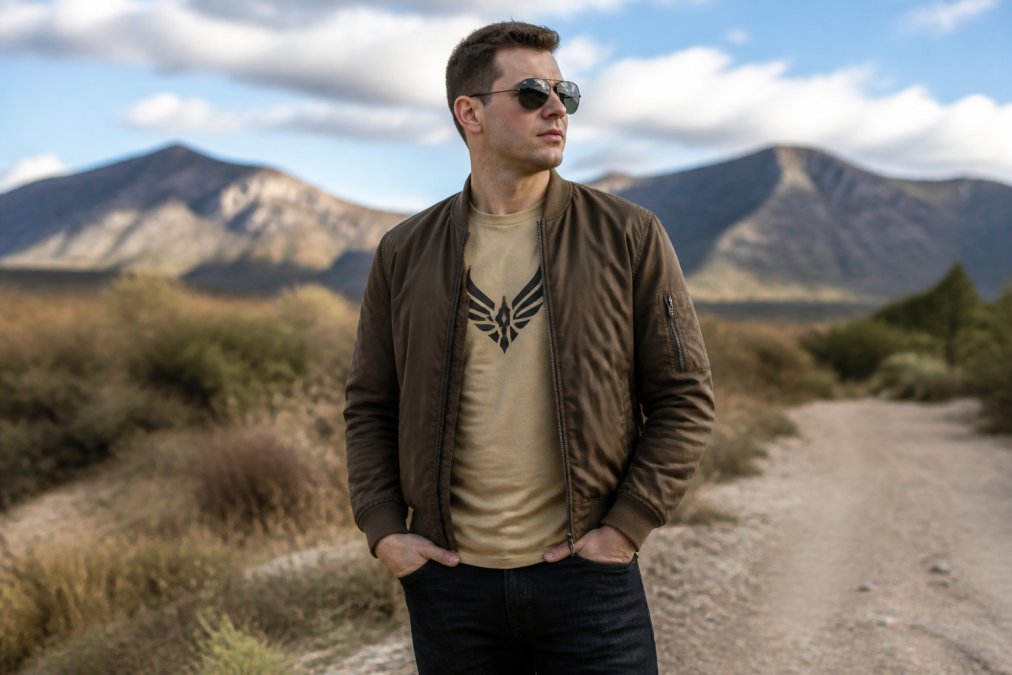
Casual Styling with Civilian Bottoms and Footwear
Pair your squadron shirt with dark jeans or khaki pants for casual wear. Layer with a bomber jacket or denim jacket to complement your patch and insignia. Clean sneakers, casual boots, or athletic shoes work well in casual settings.
Layering and Modern Aesthetic Trends
Layer a squadron shirt untucked over a plain tee for visual depth. Simple accessories like a watch or military-themed cap coordinate well without overwhelming the look. Mixing vintage and contemporary pieces honors military service while feeling current.
Care and Maintenance of Custom Printed Squadron Shirts
Proper care extends the life of your squadron shirt and preserves the quality of embroidery and fabric. Unlike standard apparel, custom embroidered patches and performance fabrics require deliberate maintenance to prevent the fading, thread cracking, and color bleeding that can occur after dozens of wash cycles.
Understanding Embroidery Durability and Common Failure Points
Common embroidery failures include thread cracking (synthetic thread loses elasticity from heat and friction), color bleeding (dyes migrate in first 3-5 washes, especially in hot water), and thread pilling (loose stitches catch adjacent fibers). Prevention requires cold-water washing and turning the shirt inside out before the first wash.
Washing Protocol for Maximum Patch Longevity
Use cold water (below 60°F) and gentle cycle to minimize agitation damage. Turn the shirt inside out before washing to reduce friction on the patch by approximately 70%. Use mild detergent formulated for delicate fabrics; avoid bleach. Spot-clean stains on the patch with a soft brush and cold water.
Drying Methods and Heat Damage Prevention
Air dry on a padded hanger away from direct sunlight. If using a dryer, select lowest heat and remove within 5 minutes, high heat melts synthetic thread. Never iron directly over an embroidered patch; use a pressing cloth or iron only non-embroidered areas.
Storage and Long-Term Preservation
Hang shirts on padded hangers rather than folding to prevent creases and thread separation. Store in a cool, dry location away from direct sunlight. Use cedar blocks or lavender sachets for extended storage. Keep away from moisture and humidity to prevent mildew.
Addressing Damage and When to Seek Professional Repair
Loose stitching on your squadron patch should be repaired within 1-2 washes of first appearance. A professional tailor or seamstress can re-stitch loose areas, preventing the damage from spreading. Attempting to repair embroidery yourself often causes more damage, as the thread tension and stitch type require specialized knowledge.
Fabric-Specific Care for Performance Materials
If your squadron shirt uses moisture-wicking synthetic blends (polyester, nylon, or spandex mixes), these materials require slightly different care than 100% cotton. Synthetic blends are more prone to pilling and static cling but are more resistant to shrinkage. Wash in cold water with a fabric softener designed for synthetics to reduce static and maintain the moisture-wicking properties.
Building Unit Pride Through Apparel Choices
Your squadron shirt represents something larger than personal preference. It embodies unit identity, shared mission, and collective pride in service. The choices you make about design, styling, and care communicate respect for your unit and fellow airmen.
Frequently Asked Questions
What color undershirt should I wear under my air force squadron shirt?
Undershirt color depends on your uniform context. For OCP (Operational Camouflage Pattern) wear, a tan or desert sand crew-neck undershirt maintains regulation compliance while supporting modern squadron apparel aesthetics. Off-duty, you have flexibility to choose colors that complement your personal style. Always verify current dress and appearance standards with your wing commander or unit leadership, as policies can vary by command.
Are morale shirts and squadron apparel allowed under USAF morale shirt regulations?
Yes, morale shirts are authorized for off-duty wear and certain on-base casual settings. However, strict uniform policy governs when and where you can wear them. Squadron shirts must meet regulation compliant standards for insignia placement, fabric performance, and design elements. Check your unit's specific dress code before wearing custom squadron apparel in official settings. Many units allow morale shirts during graduation events and unit pride celebrations.
Can I customize my squadron shirt with personalized embroidery or screen printing?
Absolutely. Custom squadron shirt design ideas can include embroidered squadron patches, personalized insignia, and screen-printed graphics. Work with your unit to ensure designs meet standardization requirements and uniform policy guidelines. Professional screen printing and embroidery preserve moisture-wicking performance and durability. Consider bulk orders through your squadron to maintain consistency and reduce costs per shirt.
How do I care for embroidered or screen-printed squadron shirts to keep them looking sharp?
Turn printed or embroidered squadron shirts inside-out before washing to protect graphics and embroidery. Use cold water and gentle cycles to preserve performance fabric integrity. Air-dry when possible; high heat can damage screen printing and embroidery. For tactical gear and morale shirts, avoid bleach and fabric softeners. Proper maintenance extends the life of custom designs and keeps your unit identity sharp and visible for years of wear.
Building your squadron apparel collection requires understanding both regulation standards and personal style preferences. The intersection of these two elements creates military wear that's both compliant and genuinely reflective of your unit's identity. Start with US Troop Gear, Inc. for high-quality, durable squadron shirts and patches that honor your service branch and represent your unit with the pride it deserves.