

Why Embroidery Is Better for Tactical Gear
Table of Contents
- Why Embroidery Is Better for Tactical Gear: Durability and Field Performance
- Embroidered vs PVC Patches for Tactical Gear
- How to Care for Embroidered Tactical Gear
- Custom Embroidered Tactical Caps
- Embroidered Patches in Military and Tactical Use
- Manufacturing Methods and Lifecycle Cost
- Choosing the Right Embroidery for Your Mission and Environment
- Frequently Asked Questions
Last Updated: October 16, 2026
Why Embroidery Is Better for Tactical Gear: Durability and Field Performance
Embroidery is better for tactical gear because stitched thread is part of the fabric itself, not a layer sitting on top of it. A patch woven into the garment survives abrasion, repeated washing, and heavy field use far longer than a printed or heat-applied surface that can peel, crack, or fade. This guide from US Troop Gear, Inc. explains why.
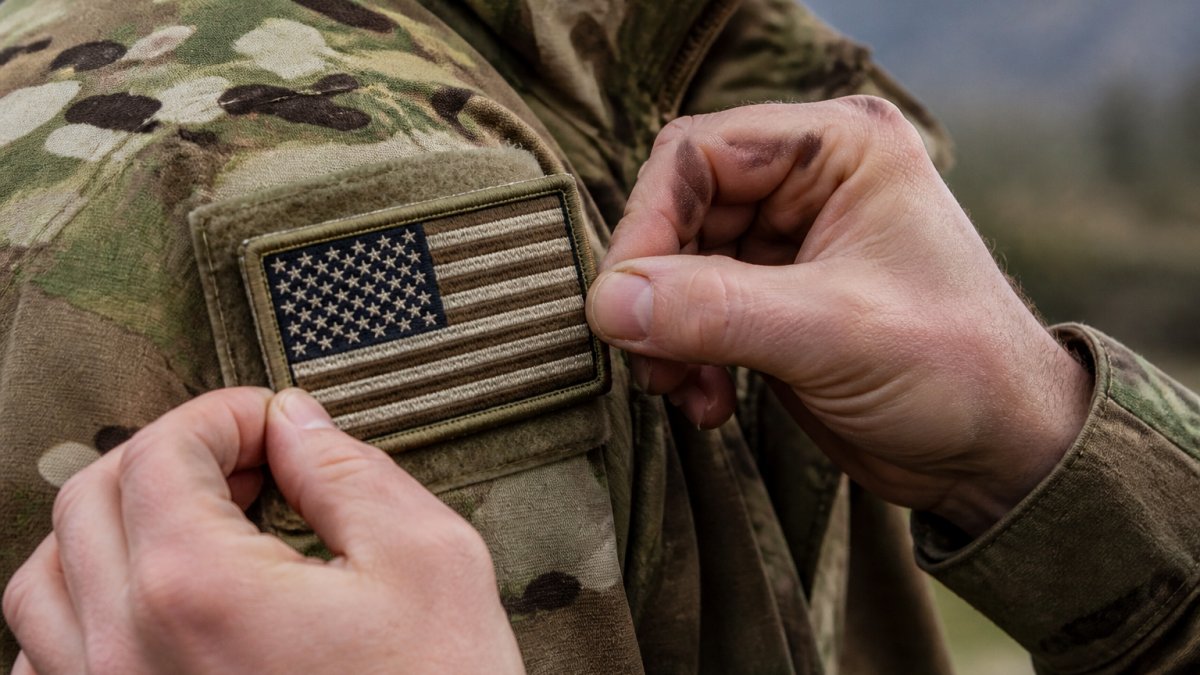
The difference is structural: embroidered designs use thread stitched directly through the fabric, so thread and garment move together. A PVC or printed patch is a separate layer bonded to the surface; when that bond weakens, the patch is gone. That distinction matters most under deployment conditions, where gear faces mud, sweat, sun, and constant friction.
How Stitching Holds Up Under Deployment Conditions
Stitched thread flexes with the fabric instead of fighting it. When a garment bends, stretches, or rubs against gear, embroidery moves as one piece with the material. Heat-pressed and PVC patches sit on the surface and take the full force of that friction, which is why edges lift and corners curl. The real test is month six: stitched unit insignia and morale patches tend to keep their shape and color through repeated field cycles, while surface-applied designs show edge wear first.
Wear Resistance on Fabric and Garment Weight
Wear resistance comes down to embroidery density and fabric weight working together. Dense stitching on a heavier garment resists abrasion better than light stitching on thin fabric because there is more material to absorb friction. Lighter garments favor a lower stitch count so the fabric does not pucker or stiffen. Heavy embroidery adds weight and stiffness, fine for a display piece or commemorative cap, but a garment worn under a plate carrier needs a lighter stitch build to stay flexible and comfortable.
Embroidered vs PVC Patches for Tactical Gear
Embroidered patches win on durability, texture, and refined appearance, while PVC patches win on flexibility and quick attachment. The right choice depends on whether you want a permanent, detailed look or a swappable, rubberized one, most tactical users end up wanting both.
| Feature | Embroidered Patch | PVC Patch |
|---|---|---|
| Construction | Thread stitched into fabric | Molded rubber layer |
| Durability | High, resists abrasion | Moderate, can crack |
| Appearance | Detailed, textured, refined | Bold, flat, uniform color |
| Flexibility | Firm on heavy fabric | Highly flexible |
| Attachment | Sewn or hook-and-loop | Typically hook-and-loop |
| Best for | Unit insignia, morale, caps | Quick-swap gear, high-color logos |
How Each One Actually Fails in the Field
The useful question is how each option fails, because the failure mode tells you where it belongs.
- Embroidery fails by thread abrasion and color fade. The stitch itself does not peel, but individual threads can fray where they cross a hard edge, and dyed thread fades under prolonged UV exposure. The design stays attached; it just loses crispness.
- PVC fails by cracking and delamination. The molded layer is bonded to a backing, and that bond is the weak point. Repeated flexing in cold weather makes the rubber stiff, and the edges are where cracks start. Once a corner lifts, the patch is on its way off.
- Printed patches fail by ink wear. The image sits on the surface, so abrasion removes the image before it removes the patch. This is the fastest failure mode of the three.
In field use, sewn embroidered insignia outlasts the garment's own color, while hook-and-loop PVC patches survive longer than printed ones but still show edge wear within a season of hard use.
Operational Trade-Offs Beyond Durability
These trade-offs also affect how gear performs:
- Weight and stiffness. Dense embroidery adds weight and stiffness. Fine on a cap front, but under a plate carrier a stiff panel can create a pressure point and reduce how well the fabric drapes.
- Snag risk. Raised thread and a firm patch edge can catch on slings, webbing, and brush. A sewn embroidered patch has a lower profile than a thick PVC patch, but a high-density design still sits proud of the fabric.
- Comfort. A firm patch against bare skin or under a strap rubs, which is why embroidered patches on uniforms sit on the chest, shoulder, or sleeve rather than under load-bearing gear.
- Low-visibility and IR considerations. Raised thread changes how a surface reflects light, and glossy PVC reflects more than matte thread. For subdued gear, a matte embroidered design in low-contrast colors is generally safer. Where infrared signature matters, confirm the specific thread and backing with the maker.
- Attachment speed. Hook-and-loop is faster to swap; sewn embroidery is permanent. If your patch setup changes by mission, that speed matters more than the durability edge.
A Decision Framework by Mission and Environment
Use the environment first, then the detail level:
- High-abrasion field and training use: dense embroidery on heavier fabric, sewn attachment. Accept the extra weight and stiffness for the longest service life.
- Everyday wear and garrison: medium stitch density, hook-and-loop or sewn, structured caps. Comfort and appearance matter more than maximum abrasion resistance.
- Quick-swap mission setups: embroidered patch with hook-and-loop backing, so you keep the stitched look but can change insignia fast. Expect slightly more edge wear than a sewn patch.
- High-color logos read from a distance: PVC. Bold uniform color blocks read better than thread at range.
- Fine linework, crests, and heritage designs: embroidery. Thread holds fine detail that molded rubber cannot.
- Short-term or low-wear use: printed. Lowest cost, and the wear rate does not matter if the item is not used hard.
Texture, Color, and Refined Appearance
Embroidery carries a texture and depth a flat PVC surface cannot match. Thread catches light unevenly, so stitched designs read as more detailed and refined, especially on unit insignia and heritage designs where fine linework matters. Color holds because the thread is dyed through, not printed on a surface. PVC, by contrast, produces bold, uniform color blocks, an advantage for high-impact logos read from a distance.
Flexibility and Attachment Trade-Offs
PVC patches bend and flex more than embroidered ones, making them easy to swap between garments using hook-and-loop backing. Embroidered patches can also use hook-and-loop, but their firmer structure suits permanent attachment by stitching. If you change your patch setup by mission, hook-and-loop PVC is faster; if you want a patch that is part of the garment and never moves, embroidery sewn in place is stronger.
How to Care for Embroidered Tactical Gear
Care for embroidered tactical gear by washing it inside out in cold water and letting it air dry. Heat is the enemy of both thread and backing, so keep embroidered items out of a hot dryer and away from direct high heat. Follow these steps to protect the stitching:
- Turn the garment inside out before washing to reduce friction on the thread
- Use cold water and a gentle cycle
- Skip bleach and fabric softener, which break down thread over time
- Air dry flat or hang, never tumble on high heat
- Brush off dried mud before washing so grit does not grind into the stitching
- Check hook-and-loop backing for lint and clear it so it keeps gripping
Stored gear benefits from the same logic: fold embroidered items rather than cramming them, and keep them out of prolonged direct sunlight, which fades thread color.
Custom Embroidered Tactical Caps
Custom embroidered tactical caps are the most common entry point for stitched gear, and they show off embroidery's strengths clearly. A structured cap front holds dense stitching well, which means a branch emblem, unit insignia, or ship crest stays crisp and readable. The U.S. Army heraldry and insignia guidance explains how unit symbols are designed to stay legible, a principle that carries straight into embroidered headwear.
For veterans and family members, a custom cap is often a first purchase because it is wearable every day and easy to match to a specific branch. At US Troop Gear, Inc., our embroidered caps cover the Army, Navy, Air Force, Marine Corps, and Coast Guard, including specialized items like ship crests and military band gear.
Embroidered Patches in Military and Tactical Use
Embroidered patches carry military heritage in a way few other items do. Unit insignia, morale patches, and branch emblems have been stitched into uniforms for generations, and that history is why embroidery still reads as authentic on tactical gear. A stitched patch signals service and belonging.
That heritage also drives how patches are used beyond uniforms. Morale patches on packs and jackets, branch emblems on caps, and commemorative designs all lean on embroidery because it matches the look people associate with real military gear. The U.S. Department of Defense official imagery shows how consistent and detailed insignia appear across service branches, which is the standard embroidered gear aims to meet.
For collectors and veterans, this is where embroidery and authenticity meet. A stitched ship crest or unit patch feels like the real thing because it is built the way the real thing has always been built.
Manufacturing Methods and Lifecycle Cost
Embroidery tends to cost more up front than printing or PVC, but it usually wins on lifecycle cost because it lasts longer. A stitched patch that survives years of use costs less per year than a cheaper patch replaced twice, though that math depends on how hard the gear is used.
Compare the common decoration methods:
- Embroidery: thread stitched into fabric, highest durability, best for detailed insignia and caps
- PVC: molded rubber, flexible and swappable, good for bold logos and quick attachment
- Printed patch: ink on a surface, lowest cost, best for short-term or low-wear use
- Laser cutting and heat pressing: fast production, good for precise shapes but a surface bond that can lift
- Sublimation: vivid full-color printing, best for flat, non-textured designs
The Lifecycle Math Most Buyers Skip
Initial price is the number on the quote; lifecycle cost is the number that actually hits your budget. Four variables drive it: initial cost, production time, replacement frequency, and repairability.
- Initial cost. Embroidery sits at the top because it takes more machine time and material per unit; printed and sublimated designs sit at the bottom, with PVC in between. Pricing depends on stitch count, size, backing, and quantity, so ask for a per-unit quote at your actual quantity.
- Production time. Printed and sublimated designs run fast as a single pass. Embroidery runs slower because stitch count drives machine time, a dense crest takes longer than simple text. PVC requires a mold, so its setup cost only pays off at higher quantities.
- Replacement frequency. This is where embroidery pulls ahead. If a printed patch wears out in a season of hard use and an embroidered patch lasts several, the embroidered patch can cost less per year even at a higher sticker price.
- Repairability. A loose thread on an embroidered patch can often be secured by hand or a tailor, and a sewn patch can be re-stitched if a seam fails. A cracked PVC or worn printed patch cannot be repaired, it is replaced. That difference compounds over the gear's life.
Where Each Method Belongs
Production technique should follow the job:
- Long-service insignia and caps: embroidery. Higher upfront cost, lowest replacement frequency.
- Quick-swap, high-color logos: PVC. Mold setup pays off at volume, and the flexibility is the point.
- Short-term events, prototypes, or low-wear items: printed or sublimated. Lowest cost, and the wear rate is not a factor.
- Precise shapes and fine edges: laser cutting and embroidery combined give clean edges with stitched durability.
Custom embroidery and laser cutting give clean edges and fine detail, while heat pressing and sublimation trade durability for speed and color range. For gear meant to serve, longer-lasting methods usually justify the higher initial cost, but only if the gear is used hard enough to wear out the cheaper option.
Choosing the Right Embroidery for Your Mission and Environment
Match the build to the environment, not the catalog photo. High-abrasion environments like field training call for dense stitching on heavier fabric; garrison and everyday wear can use lighter builds that stay comfortable; display and commemorative pieces can go heavier on detail because they see less friction.
- Field and training use: dense embroidery, heavy fabric, sewn attachment
- Everyday wear: medium stitch density, hook-and-loop or sewn, structured caps
- Quick-swap setups: embroidered patch with hook-and-loop backing so you can change insignia by mission
- Commemorative and display: maximum detail, heavier stitch count, protected storage
The Federal Trade Commission guidance on textile labeling is worth knowing if you care about what a garment's material claims actually mean. Beyond labels, the practical rule is simple: pick the build that matches how hard the gear will be used.
Frequently Asked Questions
Is embroidery more durable than PVC for tactical gear?
Embroidered patches typically outlast PVC in field conditions because the thread is stitched directly into the fabric, creating a mechanical bond that resists peeling and cracking. PVC patches are molded and glued or heat-pressed, so extreme temperatures and repeated flexing can cause the edges to lift. For gear that sees heavy use, embroidery offers better wear resistance and a longer lifespan.
Why do military units prefer embroidered patches over printed ones?
Military units favor embroidered patches because the stitching holds color and shape far longer than printed designs. Printed patches fade and crack after repeated washing or exposure to sun and sweat. Embroidery also delivers a raised, refined appearance that matches unit insignia standards, and it can be produced with high embroidery density for sharp detail on complex crests and lettering.
Can embroidered gear be washed without damaging the design?
Yes, embroidered tactical gear can be washed safely if you turn it inside out and use cold water on a gentle cycle. Avoid bleach and fabric softeners, which break down thread over time. Air dry the item rather than using a dryer, since heat can shrink backing and loosen stitching. For tough stains, spot clean with a mild detergent and a soft brush.
What are the benefits of custom embroidered tactical caps?
Custom embroidered tactical caps let you display branch-specific pride with a design that holds up to daily wear. Embroidery adds texture and depth that printed caps lack, and the stitched logo resists fading after repeated use. You can choose thread colors, fonts, and placement to match unit insignia or personal service history, making the cap a durable and meaningful piece of gear.
Tactical gear takes a beating, and decoration that peels or fades undermines the whole point of wearing it. Embroidery holds up because the thread is part of the fabric, which is why we build our caps and apparel around stitched designs. US Troop Gear, Inc. offers branch-specific embroidered caps, ship crests, and military band items across the Army, Navy, Air Force, Marine Corps, and Coast Guard, all designed to honor military heritage. Continue shopping to wear your pride with purpose.