

Respectful Military Themed Clothing Designs
Table of Contents
- What Makes Military Themed Clothing Designs Respectful
- Design Principles for Honoring Military Heritage
- Military Branch-Specific Clothing and Symbolism
- Custom Embroidered Military Unit Caps and Apparel
- Patriotic Clothing Design Etiquette and Protocol
- Design Ideas: T-Shirts, Hoodies, and Tactical Outerwear
- Design History and Evolution of Military Fashion
- Sustainable and Ethical Sourcing for Military Apparel
Last Updated: August 19, 2026
What Makes Military Themed Clothing Designs Respectful
Respectful military themed clothing designs honor the service, sacrifice, and heritage of those who've worn the uniform. True respect means recognizing the weight of what you're depicting and executing it with integrity, not slapping a flag on a t-shirt without understanding its significance.
The foundation starts with intention. Are you creating something to genuinely honor service members and veterans, or capitalizing on patriotic sentiment? This distinction shows in every design choice. When you approach military apparel with reverence rather than profit-first thinking, the work reflects that commitment.
At US Troop Gear, Inc., we've spent years developing apparel that speaks to those who've served and their families. Our approach centers on authenticity: Respect also means understanding context, a Vietnam-era insignia carries different weight than modern operation patches, and each deserves appropriate reverence.

Design Principles for Honoring Military Heritage
Creating designs that truly honor military heritage requires understanding both the visual language of the armed forces and the deeper cultural significance behind it. The best military themed clothing designs balance bold, striking aesthetics with historical accuracy and emotional authenticity.
Symbolism and Patriotic Design Elements
Military symbolism carries centuries of meaning. Eagle emblems represent strength and freedom. Stars signify rank and authority. Branch-specific insignia tell stories of organizational identity and mission. When you incorporate these elements into clothing design, you're invoking that heritage.
Patriotic design elements work best when they're specific rather than generic. A design featuring the actual insignia of a particular unit carries far more power than a vague military silhouette. Service members recognize authentic details instantly.
The color palette matters significantly. Navy blues, Army greens, Air Force silvers, Marine Corps reds and golds, and Coast Guard blues are tied to official branch identity. Using these colors correctly signals that you understand and respect military tradition. Typography should feel authoritative without being aggressive, clean, legible, and confident sans-serif fonts typically work better than ornate scripts.

Quality Graphics and Professional-Looking Execution
A respectful design falls apart if the execution is poor. Blurry embroidery, faded screen printing, or low-resolution graphics communicate carelessness. Service members deserve apparel that reflects the same standard of excellence they've invested in their service.
Professional-looking execution means attention to detail in every aspect. Embroidery stitching should be tight and clean with no loose threads or gaps. Screen printing should have crisp edges and consistent color saturation. High-definition embroidery techniques preserve fine detail that lower-quality methods would lose.
The placement of graphics affects how they're perceived. A chest placement suggests pride and prominence. A sleeve or back placement feels more subtle and wearable. Centered designs feel formal; off-center placements feel contemporary. Each choice carries meaning in how the wearer will present themselves.
Military Branch-Specific Clothing and Symbolism
Army, Navy, Air Force, Marine Corps, and Coast Guard Identity
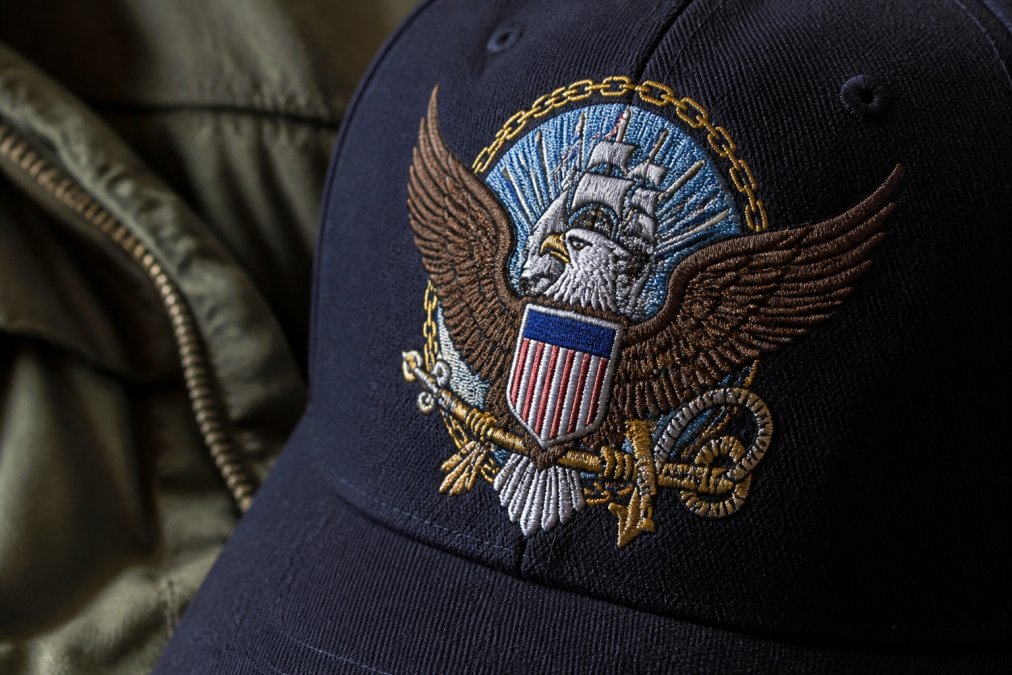
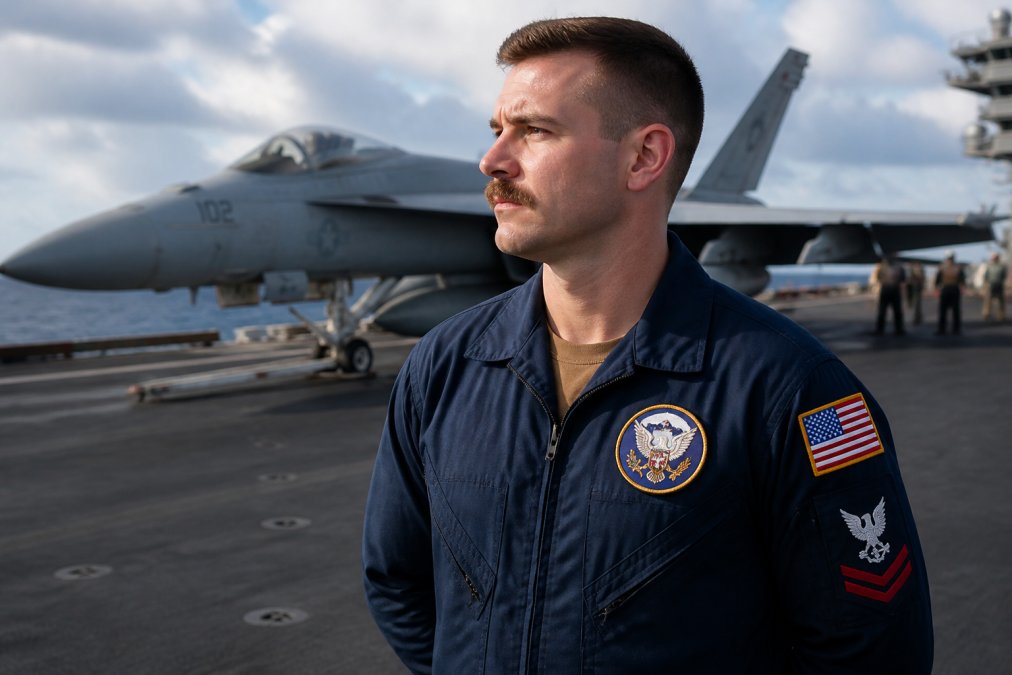
Each branch of the armed forces has distinct visual identity, and respectful military themed clothing designs honor these differences. The Army's emphasis on tradition translates to designs that feel grounded and established. Navy designs often incorporate nautical elements and ship crests. Air Force apparel frequently features aviation insignia and distinctive Air Force blue. Marine Corps designs carry particular weight, the Corps has strong identity culture, and designs must reflect that pride. Coast Guard apparel emphasizes service to civilians and maritime rescue heritage.
The symbols associated with each branch carry specific meaning. The Army's crossed rifles, the Navy's anchor, the Air Force's eagle, the Marine Corps' eagle, globe, and anchor, and the Coast Guard's shield are not interchangeable. Using the correct insignia for the branch you're honoring is non-negotiable.
Veterans and service members wear branch-specific apparel to signal identity and pride in their service. A Vietnam-era Army veteran wearing an Army-specific design is making a statement about their service history. Respectful design recognizes this significance.
Custom Embroidered Military Unit Caps and Apparel
Embroidery and Screen Printing Techniques
The technique you choose to apply military themed clothing designs affects durability, appearance, and the message you send about quality. Embroidery creates a three-dimensional effect that screen printing cannot match. Thread-based embroidery feels substantial and premium, it's what military exchanges use, and it's what service members expect.
Screen printing works well for larger designs with solid color areas and is cost-effective. However, fine detail like small insignia or intricate lettering often gets lost. For designs where precision matters, embroidery typically delivers superior results.
Quality embroidery shows in the finished product: tight stitches, no loose threads, and designs that remain crisp after washing. Combination techniques, embroidery for insignia and screen printing for supporting graphics, often produce the best results, letting you use the strengths of each method.
Durability and Quality Materials
Military apparel gets worn, washed repeatedly, and endures outdoor conditions. Respectful military themed clothing designs must be built to last, starting with quality materials and construction.
Cotton twill caps offer durability and professional appearance. The weave is tight enough to hold embroidery securely without puckering. Quality twill feels substantial and maintains its shape through extended wear. Embroidered straps should be reinforced and adjustable, signaling quality and allowing better fit.
For apparel beyond caps, fabric weight matters. Heavier cotton or cotton-blend materials maintain their shape and resist fading better than lightweight alternatives. Reinforced seams at stress points, shoulders, underarms, and hem, prevent premature wear.
US Troop Gear, Inc. sources materials from suppliers that also serve military exchanges worldwide. This means our standards align with what the Department of Defense accepts, a meaningful indicator of quality and durability.
Patriotic Clothing Design Etiquette and Protocol
When and Where to Wear Military Themed Apparel
Military themed clothing designs exist in a specific cultural context. Service members and veterans often wear branch-specific apparel at reunions, commemorative events, and casual settings where they're expressing pride in their service. Family members wear supportive apparel to show solidarity and respect.
Casual settings, home, running errands, social gatherings with fellow veterans or military families, are appropriate for military apparel. Formal events require different considerations. Military dress uniforms have specific protocols, and wearing military-themed civilian apparel to formal occasions where uniforms are worn can feel out of place. However, patriotic apparel at Fourth of July celebrations, Veterans Day events, or military appreciation gatherings is entirely appropriate.
Workplace settings depend on organizational culture. Understanding your context matters. A veteran wearing their service branch cap in a veteran-friendly workplace signals pride and identity.
Respecting Service Members and Veterans
True respect means understanding service members' and veterans' experiences and honoring them authentically. Wearing military themed clothing designs as a genuine expression of support or personal service history differs fundamentally from wearing military imagery as a costume or trend.
Service members and veterans notice the difference between authentic respect and superficial patriotism. Someone wearing a Vietnam-era cap because they served in Vietnam is making a statement about their identity. Someone wearing the same cap as a fashion statement without understanding its significance is appropriating military culture.
This doesn't mean only veterans can wear military apparel. Family members, supporters, and patriotic citizens absolutely can and should wear apparel that honors military service. The distinction is intention.
Design Ideas: T-Shirts, Hoodies, and Tactical Outerwear
Graphic Tees and Bold Graphics
T-shirt designs offer flexibility for creative military-themed expression. Bold graphics work well on chest placements and make a statement. Effective graphic tees balance visual impact with wearability, a focal point like a detailed insignia surrounded by supporting elements that frame and enhance it.
Typography on military graphic tees should be bold and legible. Service branch names, unit designations, and commemorative text work best in clean, confident fonts. Layering text at different sizes creates visual hierarchy, with smaller text including service dates, locations, or personal details that add meaning.
Color choices should respect branch identity while allowing creative expression. Navy blues, Army greens, Air Force silvers, and Marine Corps reds provide authentic starting points. Adding complementary colors creates visual interest without abandoning authenticity.

Camouflage and Tactical Pattern Integration
Camouflage patterns carry specific associations with military service. Digital camouflage patterns represent modern military uniforms. Woodland camouflage evokes earlier eras. Desert camouflage connects to Middle East operations. Using the appropriate pattern for the era or operation you're honoring adds authenticity.
Tactical outerwear naturally incorporates camouflage and tactical elements. Cargo pockets, reinforced construction, and utility-focused design all reference functional military gear. Mixing camouflage with insignia creates dynamic designs, a camouflage sleeve with an embroidered unit crest on the chest combines pattern and symbol effectively.
| Design Element | Best Application | Why It Works |
|---|---|---|
| Branch insignia | Chest placement on caps and shirts | High visibility, signals identity clearly |
| Unit crests | Embroidered on caps or apparel | Three-dimensional detail, premium appearance |
| Camouflage patterns | Sleeves, backgrounds, tactical wear | Authentic military aesthetic, visual interest |
| Service dates | Secondary text placement | Commemorates specific service period |
| Patriotic symbols | Integrated with branch imagery | Reinforces respect and honor message |
Design History and Evolution of Military Fashion
Military apparel design has evolved significantly over decades, reflecting changing technology, operational needs, and cultural attitudes toward military service. Early military uniforms prioritized function over fashion. Durability, weather resistance, and practical utility drove design decisions. The visual distinctiveness of each branch emerged from operational necessity and organizational identity.
Post-World War II military apparel became more standardized through the military exchange system. Embroidered insignia became the standard for caps and formal apparel. Screen printing emerged as a cost-effective alternative for casual wear. The Vietnam War era produced distinctive visual identity in military apparel, with service-specific designs and commemorative apparel honoring specific operations and units.
Contemporary military apparel design balances historical authenticity with modern aesthetics. Digital embroidery techniques enable unprecedented detail. Yet the fundamental principle remains: honor service and heritage through thoughtful, respectful design execution. The evolution of military fashion reflects broader cultural shifts in how Americans view military service.
Sustainable and Ethical Sourcing for Military Apparel
Creating respectful military themed clothing designs extends beyond aesthetics to how and where apparel is produced. Sustainable and ethical sourcing honors the values that military service represents: responsibility, integrity, and commitment to something larger than oneself.
Quality materials sourced responsibly create apparel that lasts longer, reducing waste. Cotton sourced from suppliers following labor standards and environmental practices ensures production aligns with the values embedded in military heritage.
Domestic production, where feasible, supports local economies and allows for quality control. US Troop Gear, Inc. sources materials from suppliers serving military exchanges worldwide, ensuring standards that meet federal requirements. Ethical embroidery practices mean fair wages for skilled operators, safe working conditions, and reasonable production timelines. Transparency in sourcing matters, knowing where your apparel comes from and under what conditions builds confidence that your purchase aligns with your values.
Wearing military themed clothing designs is a way to express respect, honor service, and connect with military heritage. But that respect starts with design integrity, authentic imagery, quality execution, and thoughtful choices about symbolism and placement. US Troop Gear, Inc. approaches every design with this commitment to authenticity and honor. Our embroidered caps and branch-specific apparel are crafted to standards that meet military exchange requirements, ensuring durability and quality that reflects the pride service members deserve. Explore our collection of US Air Force Vietnam Veteran Cap, United States Air Force Retired Cap, and US Air Force Proud Veteran Cap, each piece created with genuine respect for those who've served. Continue shopping and wear your pride with purpose.
Frequently Asked Questions
What defines respectful military-themed clothing?
Respectful military themed clothing designs prioritize honoring service members and veterans through accurate symbolism, high-quality execution, and meaningful design. This means using authentic military branch insignia, avoiding distorted or disrespectful imagery, and choosing durable materials that reflect the durability and strength of the armed forces. The design should celebrate heritage rather than trivialize service.
What are the etiquette guidelines for wearing patriotic clothing with military symbols?
Patriotic clothing design etiquette requires understanding when and where military-themed apparel is appropriate. Wear branch-specific items that match your service or a family member's service. Avoid mixing insignia from different branches or wearing items that misrepresent your military affiliation. Show respect by maintaining quality appearance and understanding that these items represent real service and sacrifice.
How do I choose between military-inspired fashion and official uniform items?
Military-inspired fashion celebrates heritage through apparel like embroidered caps and graphic tees, while official uniform items are strictly regulated by military branches. Military themed clothing designs allow personal expression and support for the armed forces without impersonating active duty service. Choose custom embroidered military unit caps or branch-specific apparel from authorized retailers to ensure authenticity and respect.
What materials and techniques ensure durability in military apparel?
High-quality military apparel uses heavy cotton twill, reinforced stitching, and professional embroidery or screen printing. Look for triple-stitched bills, padded sweat bands, and reinforced vent holes in caps. Quality materials and techniques ensure your gear withstands regular wear and maintains its appearance. Products like the US Air Force Retired Cap feature embroidered designs directly onto durable fabric for longevity.
This article was written using GrandRanker