

Is Military Apparel Worth the Price? 2026 Review
Table of Contents
- Is Military Apparel Worth the Price? The Core Value Proposition
- Durability and Material Specifications That Justify the Cost
- Quality vs. Cost Analysis: What You're Actually Paying For
- Best Military Apparel Brands 2026: Comparing Options
- Military Surplus Clothing Quality: New vs. Surplus vs. Reproduction
- Identifying Authentic vs. Reproduction Gear: A Buyer's Guide
- Maintenance and Care: Protecting Your Investment
- Environmental Impact: Fast Fashion vs. Field-Tested Surplus
Last Updated: August 21, 2026
Is Military Apparel Worth the Price? The Core Value Proposition
Military-grade tactical gear costs more than fast fashion, but it's engineered for durability that justifies the investment if you need that performance. At US Troop Gear, Inc., we've worked with veterans, active-duty service members, and civilians who wear military apparel for everything from outdoor activities to everyday wear. The difference between cheap knockoffs and authentic military apparel becomes obvious after a few months of real use: seams hold, zippers don't fail, and fabric resists tearing.
The core question isn't whether military apparel is expensive, it is. The question is whether you're buying durability and functionality that will outlast cheaper alternatives. This guide breaks down exactly what you're paying for when you invest in quality military apparel, how to identify authentic gear versus reproductions, and whether that price tag makes sense for your actual needs.
Durability and Material Specifications That Justify the Cost
Military apparel is built to different specifications than civilian clothing. Ripstop fabric is the industry standard for tactical pants and jackets (defense.gov). This material uses a special weave pattern with reinforced threads that prevent small tears from spreading. When regular cotton tears, the damage runs; ripstop stops it. This matters if you're moving through brush, climbing, or working in environments where snags happen constantly.
Stitching patterns in military apparel follow military specifications. Standard garments use single-needle stitching; military gear uses double or triple stitching at stress points. The seams on a quality military tactical shirt won't unravel after a season of heavy use. This construction takes longer and costs more, which is reflected in the final price.
Military-spec cotton blends and synthetic fabrics are selected for performance in specific conditions (peer-reviewed research). A uniform designed for hot climates uses different material than one designed for cold weather. Buttons, zippers, and hardware on military apparel are rated for durability. YKK zippers, reinforced button attachments, and metal hardware designed to withstand repeated use are standard on quality military gear. Cheap apparel uses plastic zippers and buttons that fail after months.
Quality vs. Cost Analysis: What You're Actually Paying For
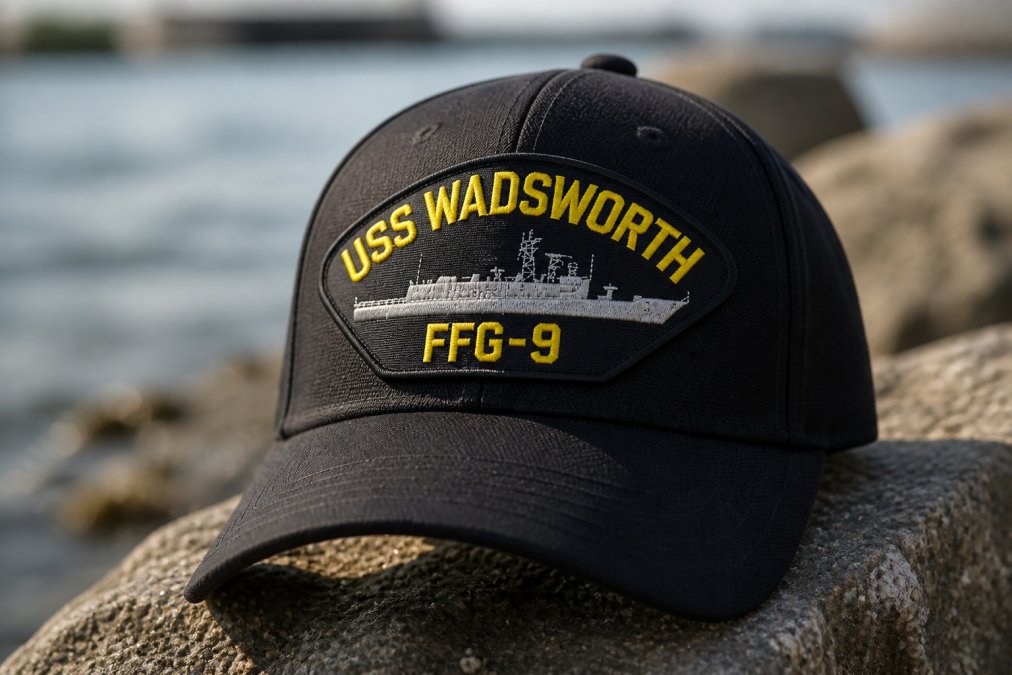
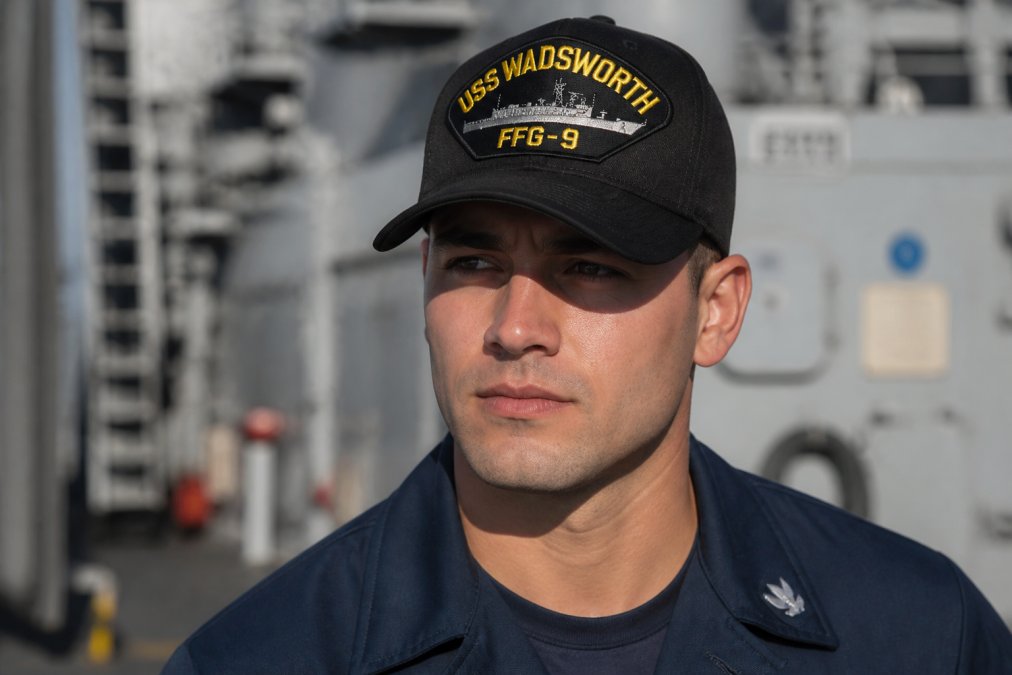
Breaking down the price of military apparel means understanding what components drive the cost. A quality military cap from US Troop Gear, Inc., like the USS Wadsworth FFG-9 Cap at $31.25, reflects specific investments in quality that cheaper alternatives skip.

Embroidery requires skilled labor and time. Authentic military emblems use multiple thread colors and precise stitching, while simple printed logos cost pennies. Material sourcing adds cost, military-spec fabric suppliers compete on consistency and performance, not price. Licensing and authenticity verification represent another cost layer. Authentic military apparel from US Troop Gear, Inc. is fully licensed by the military branches; licensing agreements, quality audits, and compliance requirements add cost to production. Labor costs for quality construction are higher: triple stitching takes longer than single stitching, precise embroidery requires skilled workers, and careful quality control catches defects before products ship.
| Cost Component | Impact on Price | What You Get |
|---|---|---|
| Material (ripstop, military-spec cotton) | 20-25% | Durability, tear resistance, specified performance |
| Embroidery/detailing | 15-20% | Authentic insignia, detailed artwork, longevity |
| Construction (stitching, hardware) | 20-25% | Seams that hold, zippers that work, reinforced stress points |
| Licensing and compliance | 10-15% | Legal authorization, quality standards, authenticity |
| Labor (skilled construction) | 15-20% | Precision, attention to detail, quality control |
You're not paying for a brand name markup; you're paying for materials, construction, and licensing that cost more to produce.
Best Military Apparel Brands 2026: Comparing Options
When evaluating military apparel brands, authenticity and commitment to quality separate the leaders from the rest. US Troop Gear, Inc. stands out because every item is fully licensed by the military branches and sourced from suppliers that provide gear to military exchanges worldwide.
The US Army Delta Force Cap at $31.25 exemplifies this commitment. The emblem is applied using the same supplier that provides caps to military exchanges and posts. This isn't a design approximation; it's the actual insignia used by the military. The cap is available in both 5-panel high-profile and 6-panel low-profile styles.
Branch-specific apparel from US Troop Gear, Inc. covers all major service branches. The Military Sealift Command Pacific Cap and Military Sealift Command (MSC) Cap represent the depth of Navy-specific options available. Commemorative items like the WW II Memorial Cap and US Air Force Vietnam Veteran Cap serve veterans and families who want to honor specific eras of service. US Troop Gear, Inc. bridges authentic military heritage with quality construction that works for both veterans and civilians who respect what those insignia represent.


Military Surplus Clothing Quality: New vs. Surplus vs. Reproduction
Understanding the difference between new military apparel, surplus gear, and reproduction items is essential for making informed purchasing decisions.
New military apparel manufactured to current military specifications offers the highest quality and newest designs. Items like the Army National Guard Cap from US Troop Gear, Inc. are produced to exacting standards with modern materials and construction techniques. You get full durability, current insignia accuracy, and assurance that the item meets military specifications.
Military surplus clothing consists of actual issued gear released for civilian sale. Surplus items offer exceptional value because you're buying real military-issue apparel at a fraction of new prices. The durability is proven; these items have already survived field use. However, surplus gear comes with uncertainty about history of wear, damage, or repairs. Sizing can be inconsistent because military issue varies by production year and supplier.
Reproduction gear attempts to replicate military designs without being officially licensed or manufactured to military specifications. These items are cheaper because they skip licensing costs and often use lower-quality materials and construction. The embroidery may lack detail and precision of authentic insignia. After a season of use, reproduction gear shows wear that authentic military apparel resists.
If you want authentic military apparel for daily wear or meaningful connection to service, new military apparel from US Troop Gear, Inc. is worth the price. If you're looking for functional tactical gear for outdoor activities and don't need perfect authenticity, quality surplus items offer better value. If you want the look of military apparel on a tight budget, reproduction gear is cheapest, but expect it to wear out faster.
Identifying Authentic vs. Reproduction Gear: A Buyer's Guide
Spotting the difference between authentic military apparel and reproductions requires knowing what to look for.
Embroidery quality is the most obvious differentiator. Authentic military insignia features precise, detailed embroidery with multiple thread colors and clean edges. Reproduction embroidery often looks fuzzy at the edges, uses fewer thread colors, or has uneven stitching. If you examine the embroidery closely and it looks rough or imprecise, it's likely reproduction.
Material composition reveals authenticity. Authentic military apparel uses specific fabric weights and weaves. A military-spec ripstop has a distinctive texture and hand feel. Reproduction gear often uses generic fabric that feels different and pills, fades, or shows damage more quickly.
Licensing information is a definitive marker. Authentic military apparel from US Troop Gear, Inc. is fully licensed by the military branches. If a seller doesn't mention licensing or can't verify it, the gear is likely reproduction.
Construction details separate authentic from reproduction. Look at seams, stitching patterns, and hardware. Authentic military apparel uses reinforced stitching at stress points with straight, consistent seams and high-quality zippers and buttons. Reproduction gear often has single-needle stitching, uneven seams, and cheap hardware that fails quickly.
Tags and labeling provide clues. Authentic military apparel has specific tag information including size standards, material composition, and manufacturing details. Reproduction items often have poorly printed tags or tags that are barely attached.
Price is a reality check. If the price seems too good to be true for military apparel, it probably is. Authentic military apparel costs what it costs because of materials, construction, and licensing. A significant price discount often indicates reproduction gear.
Maintenance and Care: Protecting Your Investment
Proper maintenance extends the life of military apparel and preserves its appearance and functionality.
Wash military apparel in cold water to prevent color fading and material degradation. Use mild detergent; harsh chemicals damage fabric and embroidery. Avoid bleach, which weakens fibers and fades colors.
Air drying is best for military apparel. The heat from a dryer can damage synthetic fabrics and cause shrinkage. Hang items to dry or lay them flat. If you use a dryer, use the lowest heat setting and remove items while still slightly damp.
Embroidered items need special care. Wash embroidered caps inside out to reduce friction on the embroidery. Avoid aggressive scrubbing or wringing.
Store military apparel in a cool, dry place away from direct sunlight. UV light fades colors and weakens fabrics over time. Use hangers for items that wrinkle easily. Keep apparel away from moisture and pests.
Repairs extend the life of military apparel significantly. If a seam starts to come loose, repair it immediately. Small tears in ripstop can be patched. A zipper that's sticking can be cleaned and lubricated. Quality military apparel is worth repairing rather than replacing.
Treat stains promptly with cold water and mild soap. Avoid harsh stain removers that can damage fabric or embroidery. The durability of military-spec fabric means stains often come out without aggressive treatment.
Environmental Impact: Fast Fashion vs. Field-Tested Surplus
The environmental case for military apparel, particularly surplus gear, is stronger than many people realize.
Fast fashion produces massive waste (the EPA). Cheap apparel is designed to wear out quickly, encouraging frequent replacement. The production requires significant water, chemicals, and energy. The cumulative environmental impact of replacing cheap apparel frequently is substantial.
Military apparel is designed for longevity. A military shirt built to last five years has far less environmental impact per year of use than a fast fashion shirt that lasts one season. The upfront environmental cost of production is amortized over a longer lifespan.
Military surplus gear represents environmental efficiency at its best. These items have already been produced and issued. Purchasing surplus apparel reuses existing resources rather than requiring new production. A surplus military jacket that continues to serve has minimal additional environmental impact.
The production of military apparel follows environmental regulations more strictly than much fast fashion. Military suppliers operate under government contracts that include environmental compliance requirements.
Choosing quality military apparel over fast fashion is an environmental choice. Every item that lasts five years instead of one season reduces the total environmental impact of your wardrobe. For those concerned about environmental impact, investing in durable military apparel is a practical way to reduce consumption and waste.
Military apparel is worth the price when you understand what you're buying. The durability, authenticity, and craftsmanship that justify the cost become obvious after months of use. US Troop Gear, Inc. offers fully licensed, military-spec apparel including branch-specific items like the Combat Action Badge Cap and US Army (Gold Leaf) Cap, all with the same quality standards used by military exchanges. Start with items that match your service or interest, and you'll quickly see why quality military apparel holds its value and performs where cheaper alternatives fail.
=== FAQ ANSWERS (audit these too, same rules) ===
[1] Q: Is military apparel worth the price compared to regular civilian clothing? A: Military apparel commands higher prices because it's built for field performance, not fashion. Ripstop materials resist tearing, reinforced seams withstand heavy wear, and authentic gear meets durability standards that standard apparel doesn't. Veterans and outdoor enthusiasts find the cost justified by longevity, military-grade cargo pants and tactical shirts often outlast cheaper alternatives by years. The price reflects material composition, construction quality, and functional design rather than brand markup alone.
[2] Q: How can you tell if military-themed apparel is actually high quality? A: Examine the material weight and construction: authentic military apparel uses ripstop nylon or heavy cotton blends, not lightweight synthetics. Check seams for reinforced stitching and bar-tacks at stress points. Licensed gear, like caps sourced from the same suppliers that service military exchanges, carries official approval, ensuring specifications match authentic standards. Brands that source from military exchange suppliers and clearly state their material composition tend to deliver reliable quality. Avoid reproduction gear with thin materials or generic embroidery that lacks detail.
[3] Q: Is military surplus clothing quality worth buying instead of new? A: Surplus quality depends on grading and condition. Field-tested surplus offers excellent value if you're willing to accept wear marks, the material is proven and durable. New surplus reproduction gear provides the aesthetic without the wear but may use lower-grade materials. For functional use (bushcraft, outdoor work), authentic surplus is cost-effective; for collectible or formal wear, new licensed gear ensures condition and authenticity. Compare material specifications and grading descriptions carefully; not all surplus is equally durable.
[4] Q: What makes branch-specific military apparel worth the extra cost? A: Branch-specific gear carries authentic emblems and unit insignia that require licensing and detailed embroidery work. The USS Wadsworth FFG-9 Cap ($31.25) and similar licensed Navy caps are sourced from the same suppliers serving military exchanges worldwide, ensuring accuracy and durability. Generic military-style apparel skips this licensing and detail work. For veterans and service members, authentic branch representation matters, it's not just apparel, it's heritage. The extra cost reflects licensing fees, embroidery precision, and the commitment to honoring actual service.
[5] Q: How does environmental impact factor into whether military apparel is worth buying? A: Military surplus and field-tested gear represent a circular economy alternative to fast fashion. Buying used or surplus extends product life, reducing waste compared to purchasing new synthetic apparel that ends up in landfills within months. Heavy-duty tactical clothing lasts years, meaning fewer replacements over time. For environmentally conscious buyers, investing in durable military-grade apparel once instead of replacing cheap clothing repeatedly offers both economic and environmental returns.
Frequently Asked Questions
Is military apparel worth the price compared to regular civilian clothing?
Military apparel commands higher prices because it's built for field performance, not fashion. Ripstop materials resist tearing, reinforced seams withstand heavy wear, and authentic gear meets durability standards that standard apparel doesn't. Veterans and outdoor enthusiasts find the cost justified by longevity, military-grade cargo pants and tactical shirts often outlast cheaper alternatives by years. The price reflects material composition, construction quality, and functional design rather than brand markup alone.
How can you tell if military-themed apparel is actually high quality?
Examine the material weight and construction: authentic military apparel uses ripstop nylon or heavy cotton blends, not lightweight synthetics. Check seams for reinforced stitching and bar-tacks at stress points. Licensed gear, like caps sourced from the same suppliers that service military exchanges, carries official approval, ensuring specifications match authentic standards. Brands that source from military exchange suppliers and clearly state their material composition tend to deliver reliable quality. Avoid reproduction gear with thin materials or generic embroidery that lacks detail.
Is military surplus clothing quality worth buying instead of new?
Surplus quality depends on grading and condition. Field-tested surplus offers excellent value if you're willing to accept wear marks, the material is proven and durable. New surplus reproduction gear provides the aesthetic without the wear but may use lower-grade materials. For functional use (bushcraft, outdoor work), authentic surplus is cost-effective; for collectible or formal wear, new licensed gear ensures condition and authenticity. Compare material specifications and grading descriptions carefully; not all surplus is equally durable.
What makes branch-specific military apparel worth the extra cost?
Branch-specific gear carries authentic emblems and unit insignia that require licensing and detailed embroidery work. The USS Wadsworth FFG-9 Cap ($31.25) and similar licensed Navy caps are sourced from the same suppliers serving military exchanges worldwide, ensuring accuracy and durability. Generic military-style apparel skips this licensing and detail work. For veterans and service members, authentic branch representation matters, it's not just apparel, it's heritage. The extra cost reflects licensing fees, embroidery precision, and the commitment to honoring actual service.
How does environmental impact factor into whether military apparel is worth buying?
Military surplus and field-tested gear represent a circular economy alternative to fast fashion. Buying used or surplus extends product life, reducing waste compared to purchasing new synthetic apparel that ends up in landfills within months. Heavy-duty tactical clothing lasts years, meaning fewer replacements over time. For environmentally conscious buyers, investing in durable military-grade apparel once instead of replacing cheap clothing repeatedly offers both economic and environmental returns.
This article was written using GrandRanker