

What Makes Military Gear Durable: Materials & Construction
Table of Contents
- What Makes Military Gear Durable: The Core Factors
- Military-Grade Fabric Specifications and Material Science
- Reinforced Stitching and Seam Construction
- Tactical Gear vs Outdoor Gear Durability: Key Differences
- How to Maintain Military Apparel for Long-Term Performance
- Performance Standards and Field-Testing Protocols
- Repairability and Field Maintenance in the Field
- Identifying Authentic Military Gear from Counterfeits
Last Updated: August 24, 2026
What Makes Military Gear Durable: The Core Factors
Military gear durability comes down to three interconnected elements: materials, construction, and rigorous performance standards. Military gear is engineered to perform under conditions that would destroy ordinary apparel.
The foundation is material science. Military-grade fabrics resist tearing, abrasion, and environmental degradation in ways civilian outdoor gear doesn't need to match. But material alone isn't enough, strong fabric requires equally strong stitching, plus construction techniques that reinforce stress points where gear takes the most punishment.
At US Troop Gear, Inc., we understand that veterans and active-duty personnel aren't looking for apparel that lasts a season, they're looking for gear that honors their service through genuine quality. This guide walks you through exactly what separates military gear that holds up from gear that doesn't, covering the materials science, construction standards, and maintenance practices that determine real longevity.
Military-Grade Fabric Specifications and Material Science
Military gear durability starts with fabric selection. Materials used in tactical apparel must meet specific performance standards that go far beyond what standard cotton or polyester can deliver.
Ballistic Nylon and Cordura: The Industry Standards
Ballistic nylon is the workhorse of military fabric specifications. Originally developed for military applications, it's a tightly woven, high-denier polyester that resists tearing and abrasion far better than standard fabrics. The term "denier" refers to fiber weight; higher denier means thicker, stronger fibers. Military-grade ballistic nylon typically ranges from 500 to 1000 denier, creating material that withstands repeated friction without degrading.
Cordura is a branded synthetic fabric operating on similar principles. It's often made from nylon or polyester with special construction providing exceptional abrasion resistance. Cordura maintains strength even after repeated flexing, which is why it dominates in tactical utility gear. The key difference lies in manufacturing precision, Cordura undergoes more rigorous quality control, translating to more consistent performance.
Both materials share a critical advantage: they're hydrophobic. Water doesn't penetrate or degrade them the way it can with natural fibers, essential for gear that must function in wet environments without losing structural integrity.
Ripstop Fabric and Tensile Strength
Ripstop fabric uses a specialized weave pattern with reinforced threads running at regular intervals. If a small tear starts in one direction, the reinforced threads stop it from spreading. This design is particularly valuable in tactical gear where a single puncture could compromise the entire piece.
Tensile strength, the maximum stress a material can withstand before tearing, is where ripstop excels. The reinforced grid pattern distributes stress across a wider area, preventing catastrophic failure from localized damage. Military-grade ripstop often combines ripstop weaving with high-denier synthetic fibers, creating material that resists both tearing and abrasion simultaneously.
Reinforced Stitching and Seam Construction
Material quality means nothing if seams fail. Military gear construction focuses obsessively on stitching because seams are where gear fails first under stress.
Military-grade stitching uses several techniques that civilian manufacturers rarely employ. Double-stitching is standard, where the seam is sewn twice along the same path to create redundancy. Triple-stitching appears in stress points like pocket corners and strap attachments where single-stitched seams would quickly fail.
The thread itself matters as much as technique. Military specs call for polyester or nylon thread with high tensile strength. These synthetic threads don't degrade under UV exposure the way cotton thread does, and they maintain strength when wet.
Stress point reinforcement is where military construction differs most from standard apparel. Any location experiencing repeated bending, pulling, or weight distribution gets additional reinforcement. Gussets, triangular fabric inserts, are sewn into corners and joints to distribute stress across a wider area. Box stitching creates a reinforced square pattern around attachment points, spreading force across multiple threads rather than concentrating it in a single seam.
Heavy-duty hardware completes the picture. Military gear uses mil-spec buttons, snaps, zippers, and rivets that withstand repeated use and environmental exposure without corrosion or failure. Buttons aren't simply sewn on; they're secured through reinforced fabric layers with additional stitching to prevent pulloff.
Tactical Gear vs Outdoor Gear Durability: Key Differences
Tactical gear and outdoor gear are engineered for different stress patterns. Tactical gear prioritizes load-bearing capacity and repeated use under harsh conditions. Military personnel wear the same gear day after day, sometimes for weeks in field conditions. The gear must withstand constant movement, equipment attachment, and the physical demands of active duty. Tactical gear uses heavier fabrics, more reinforced seams, and construction designed for abuse.
Outdoor gear prioritizes weight and weather protection. A hiking backpack or rain jacket needs to resist elements but doesn't require the same load-bearing capacity or intensity of daily use. Outdoor manufacturers optimize for packability and comfort using lighter materials and simplified construction.
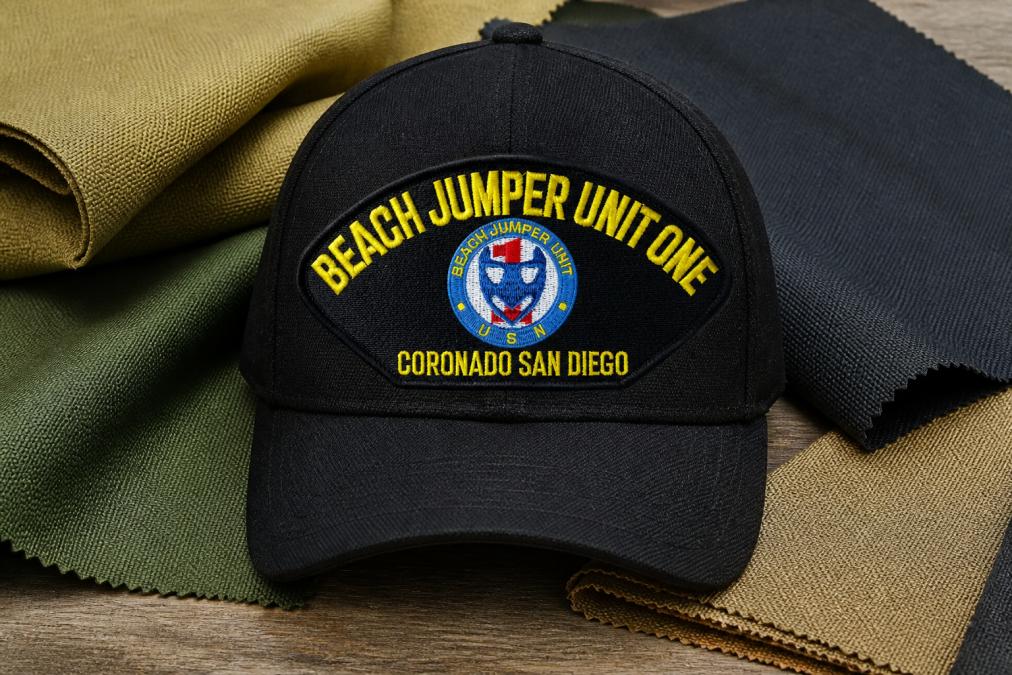
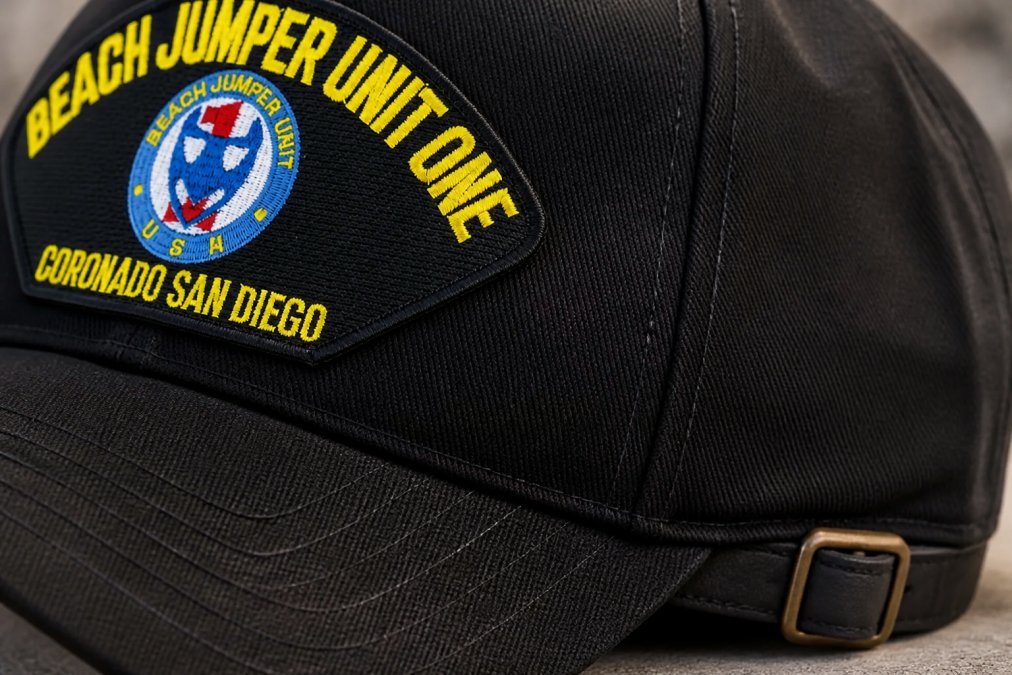
The practical difference shows up in real use. A tactical cap from US Troop Gear, Inc., like our Beach Jumper Unit 1 Cap, uses reinforced stitching and mil-spec hardware specifically because naval personnel need gear that performs under operational conditions. The extra construction weight and material cost reflect genuine durability requirements.

Outdoor gear fails faster under tactical conditions because it wasn't designed for them. Military-grade construction guarantees performance across a wider range of conditions than outdoor-only designs.
How to Maintain Military Apparel for Long-Term Performance
Durability isn't just what you buy, it's how you care for what you own. Military gear can last decades with proper maintenance or fail within years with neglect.
Cleaning matters because dirt and salt accumulation accelerate material degradation. Regular rinsing with fresh water removes contaminants. For heavier soiling, hand wash in cool water with mild detergent. Avoid hot water and bleach, which degrade synthetic fibers and damage water-repellent coatings. durable workwear construction.
Air drying preserves material. Never use a dryer; heat degrades synthetic fabrics and can warp metal components. Hang gear in a well-ventilated area away from direct sunlight. UV exposure degrades synthetic fibers over time.
Storage conditions determine longevity. Cool, dry environments preserve both fabric and hardware. Moisture promotes mildew and corrosion. Heat accelerates material degradation. Avoid damp basements and hot attics.
Inspection catches small problems before they become major failures. Check seams regularly for separation or thread breakage. Examine hardware for corrosion or loosening. Small repairs done immediately prevent cascading failures.
Performance Standards and Field-Testing Protocols
Military gear doesn't reach the market without proving it can perform. The standards governing military apparel are far more rigorous than civilian testing.
Mil-spec standards define exact performance requirements for military equipment. For fabrics, mil-spec testing includes tensile strength testing, tear strength testing, and abrasion resistance testing. Military-grade fabrics are tested against a standardized surface for thousands of cycles. A fabric surviving 50,000 cycles meets mil-spec standards.
Seam strength testing ensures stitching holds under realistic stress. Samples are pulled at specific angles and force levels with pass/fail criteria defined by mil-spec. Military gear uses construction techniques specifically designed to exceed these thresholds by significant margins.
Environmental testing subjects gear to conditions simulating real-world stress. Salt spray testing exposes hardware to saltwater conditions to verify corrosion resistance (astm.org). UV exposure testing verifies fabrics don't degrade under sunlight (peer-reviewed research). Moisture absorption testing ensures water-repellent treatments remain effective after repeated washing.
Field testing by actual military personnel provides real-world validation that lab tests can't fully capture. Gear that passes all laboratory standards gets evaluated by soldiers, sailors, and marines who use it under actual operational conditions.
| Testing Method | What It Measures | Why It Matters |
|---|---|---|
| Tensile Strength | Maximum force before tearing | Ensures fabric won't fail under normal use |
| Tear Resistance | Force needed to propagate a tear | Prevents small damage from becoming catastrophic |
| Abrasion Resistance | Durability against repeated friction | Confirms gear holds up with constant wear |
| Seam Strength | Force before stitching fails | Guarantees seams don't separate under stress |
| Salt Spray Testing | Hardware corrosion resistance | Verifies hardware survives harsh environments |
| UV Exposure Testing | Fabric degradation under sunlight | Confirms material longevity in field conditions |
Repairability and Field Maintenance in the Field
True durability includes the ability to repair damage when it occurs. Military gear is designed not just to resist damage but to be repairable in field conditions with minimal tools and materials.
Reinforced seams using multiple thread paths make field repairs possible. If a seam separates, remaining threads often hold the gear together long enough for repair. Military gear degrades gradually, giving users time to address damage before total failure.
Modular attachment systems enable repair without rebuilding entire sections. If a strap attachment fails, you can reinforce or replace just that section rather than scrapping the entire piece. Pockets, straps, and other components are often designed as separate modules that can be repaired independently.
Common field repairs require minimal materials. A needle and heavy-duty thread can reinforce a failing seam. Patches can be sewn over small tears. Replacement buttons and snaps can be installed with basic tools. This repairability is built into the design specifically because military personnel need to maintain gear in remote locations without access to replacement equipment.
Identifying Authentic Military Gear from Counterfeits
As military gear has become popular in civilian markets, counterfeit products have proliferated. Identifying authentic military-grade gear protects you from purchasing inferior products.
Stitching quality is the first indicator. Authentic military gear uses consistent, tight stitching with no loose threads or uneven spacing. Counterfeits often show loose stitching or irregular stitch spacing.
Hardware quality matters significantly. Genuine military gear uses heavy-duty, corrosion-resistant hardware. Buttons should feel substantial and be securely attached through multiple stitching layers. Zippers should move smoothly and be branded with legitimate manufacturers like YKK or Talon.
Fabric weight and feel separate authentic from counterfeit. Military-grade fabrics have substantial weight and a distinctive feel from tight weaving and high-denier construction. Counterfeits often use thinner, lighter fabrics that feel flimsy.
Licensing and branding matter for specific items. Authentic military gear like our Assault Craft Unit 1 Emblematic Cap carries proper Navy licensing and branding. Counterfeits often show misspelled text, blurry embroidery, or incorrect insignia.

Purchasing from authorized retailers like US Troop Gear, Inc. guarantees authentic products with proper licensing and quality assurance. If uncertain about a product's authenticity, verify the seller's credentials and check for licensing information.
Military gear durability isn't mystical. It's the result of material science, construction standards, and maintenance practices that work together to create apparel that lasts. When you choose gear built to military specifications, you're investing in products engineered for genuine performance under demanding conditions. At US Troop Gear, Inc., every cap, every piece of apparel, and every commemorative item is built with the same standards that serve those who've served, because honoring military heritage means delivering quality that actually performs. Explore our Military Sealift Command Pacific Cap and other Navy-licensed gear to experience the durability difference that military-grade construction delivers.

Frequently Asked Questions
Q: What makes military gear durable compared to civilian alternatives?
Military gear durability stems from mil-spec materials like ballistic nylon and Cordura, reinforced stitching at stress points, and rigorous performance testing standards. Civilian gear prioritizes comfort and style, while military apparel is engineered for abrasion resistance, tear strength, and load-bearing capability. Military-grade construction uses heavy-duty hardware and seam sealing to withstand extreme environmental conditions, ensuring gear longevity in operational settings.
Q: How do military-grade fabric specifications differ from standard outdoor materials?
Military-grade fabrics meet specific denier counts, tensile strength requirements, and abrasion resistance standards set by defense specifications. Ballistic nylon typically ranges from 500 to 1000 denier, while Cordura offers superior tear resistance with polymer coatings. Standard outdoor fabrics lack these performance benchmarks and often use lighter-weight synthetics without the same ruggedization or water-repellent treatments, resulting in shorter gear longevity.
Q: What is the best way to maintain military apparel to extend its lifespan?
Maintain military apparel by washing in cold water with mild detergent, air-drying away from direct sunlight to prevent UV degradation, and inspecting seams and stress points regularly for damage. Store gear in a cool, dry environment and address small tears or loose stitching immediately to prevent further damage. Avoid high-heat dryers and harsh chemicals that degrade synthetic fibers and water-repellent coatings. Proper field maintenance, including spot-cleaning and prompt repairs, significantly extends durability.
Q: Are counterfeits a concern when buying military gear, and how can I identify authentic items?
Counterfeits are a significant concern in the military gear market. Authentic military apparel features precise embroidery with sharp detail, consistent stitching patterns, and proper branding. Verify licensing information, examine hardware quality, and purchase from authorized retailers like US Troop Gear, Inc., which offers fully licensed, USA-made products. Counterfeit items often have loose stitching, faded embroidery, and inferior materials that fail under stress.
This article was written using GrandRanker