

Authentic Military Gear for Civilians 2026
Table of Contents
- What Defines Authentic Military Gear for Civilians
- Best Military Apparel Brands 2026
- Mission-Ready Apparel: Load-Bearing and Performance Essentials
- How to Identify Authentic Military Surplus
- Legal Regulations for Civilian Tactical Gear
- Everyday Carry and Field Accessories for Civilian Use
- Gear Maintenance and Storage Solutions
- Conclusion
Last Updated: August 30, 2026
What Defines Authentic Military Gear for Civilians
Authentic military gear for civilians 2026 refers to apparel, equipment, and accessories that meet the same durability, functional design, and performance standards as gear issued to active-duty service members. This is purpose-built equipment designed to withstand field conditions, heavy use, and demanding environments, not decorative clothing.
Authentic military gear prioritizes function over fashion. It uses ripstop fabrics, load-bearing systems, and modular construction because soldiers depend on their equipment to perform under stress. Real military apparel incorporates moisture-wicking base layers for temperature regulation, tactical vests with MOLLE compatibility for modular attachment, and footwear designed for extended wear over difficult terrain. The construction methods, reinforced stitching, and weatherproofing exist because the gear must function when lives depend on it.
Many civilians seek authentic military gear for legitimate reasons. Veterans want equipment that speaks to their service. Outdoor enthusiasts need hard-use gear that won't fail. Preparedness-minded individuals value equipment tested in real-world conditions. At US Troop Gear, Inc., we understand the difference between authentic military heritage and mass-produced imitations. Our collection honors the standards that define real military equipment while serving those who've worn the uniform and civilians who respect that legacy.
Best Military Apparel Brands 2026
The market for authentic military gear has expanded significantly, but not all brands maintain the same commitment to quality and authenticity. The best options combine proven durability, attention to detail in design, and respect for military heritage.
US Troop Gear, Inc. offers branch-specific apparel and commemorative gear. The company specializes in embroidered caps, challenge coins, and apparel featuring detailed designs inspired by real military units and service branches. The product range spans all five service branches: Army, Navy, Air Force, Marine Corps, and Coast Guard. For veterans seeking gear that authentically represents their specific service, this brand delivers the detail and respect that matters.
Several other established brands maintain strong reputations for authentic military apparel. Brands that source genuine military surplus or manufacture gear to military specifications use ripstop fabrics, proper load-bearing construction, and weatherproofing that civilian brands skip. The difference becomes obvious during extended use.
When evaluating brands, look for transparency about manufacturing standards. Does the brand specify fabric composition? Do they mention testing protocols? Authentic military apparel manufacturers provide technical details because performance depends on precise specifications. Price reflects this difference: authentic military gear costs more because materials and construction methods are genuinely more expensive. If prices seem suspiciously low, the gear probably cuts corners on durability.
Mission-Ready Apparel: Load-Bearing and Performance Essentials
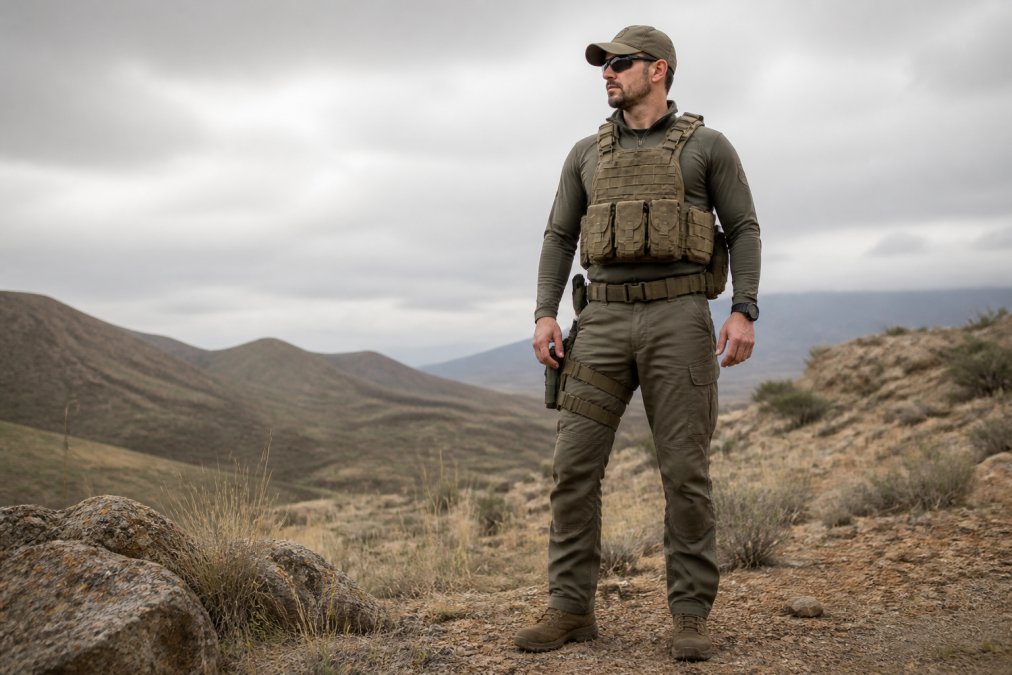
Mission-ready apparel forms the foundation of functional tactical gear. This category includes clothing systems designed for extended wear, load-bearing capability, and performance in variable conditions. Base layers, mid-layers, and outer shells must work together to manage moisture, regulate temperature, and support equipment loads.
Base Layers and Moisture-Wicking Fabrics
Base layers manage moisture, the primary factor determining comfort during extended activity. Moisture-wicking fabrics pull sweat away from skin and move it to outer layers where evaporation occurs. Without proper moisture management, sweat accumulates, body temperature drops, and performance degrades.
Authentic military base layers use synthetic fabrics engineered for moisture management (peer-reviewed research). Merino wool blends and high-performance polyester move sweat efficiently while maintaining breathability and temperature regulation. Look for base layers with flat seams rather than traditional stitching, which reduces friction and prevents chafing during extended wear with load-bearing equipment.
Tactical Vests and Modular Systems
Tactical vests serve as the load-bearing platform for field equipment, distributing weight across shoulders and torso. Authentic tactical vests use MOLLE (Modular Lightweight Load-carrying Equipment) systems, webbing grids that accept pouches, holsters, and accessories through compatible attachment points. This modularity allows customization for different mission requirements.
Vest construction directly impacts durability and load capacity. Reinforced stress points, proper stitching patterns, and quality webbing determine how much weight the vest can safely support. Authentic military vests distribute loads along multiple stress points rather than concentrating weight in a few locations. Ripstop nylon resists tearing and provides durability under hard use, while proper weatherproofing prevents moisture penetration while maintaining breathability.
How to Identify Authentic Military Surplus
Authentic military surplus differs fundamentally from reproduction gear or civilian knockoffs. Genuine surplus carries specific markers that identify it as legitimate military equipment.
Original markings and labels provide the clearest authentication. Military gear typically includes manufacturer information, contract numbers, and inspection stamps in standardized locations and formats. Reproductions often get these details wrong.
Construction methods reveal authenticity. Military gear uses reinforced stitching patterns designed for durability and load-bearing. The thread type, stitch density, and seam placement follow military specifications that reproductions struggle to replicate.
Fabric characteristics distinguish genuine military gear. Ripstop weave, specific thread counts, and particular dye lots create distinctive appearances that reproductions can't accurately replicate. Examining the weave under magnification reveals whether fabric meets military specifications.
Wear patterns on surplus gear tell stories. Authentic military gear shows specific wear patterns from actual use, with stress points wearing predictably and fading patterns reflecting storage and use. Reproductions can't replicate this authentic aging.
Sourcing matters significantly. Purchasing from established military surplus dealers who verify authenticity provides confidence. These dealers inspect gear against known specifications and reject items that don't meet standards. verify american made gear.
Legal Regulations for Civilian Tactical Gear
Civilians can legally own and wear most tactical gear, but certain items face restrictions depending on jurisdiction and equipment type.
Body armor regulations vary by state and federal law. Federal law permits civilians to purchase and wear soft body armor, but some states impose restrictions on certain types (justice.gov). Hard armor plates and tactical vests designed for armor insertion face different regulatory treatment. Before purchasing body armor, verify local and state regulations.
Tactical gear without armor components generally faces minimal legal restriction. Vests designed for equipment carrying, apparel, footwear, and accessories typically pose no legal concerns. However, wearing tactical gear in ways that could impersonate law enforcement creates legal risk.
Concealed carry regulations affect how civilians can carry certain equipment. Many states permit concealed carry under specific conditions; others prohibit it. Know your jurisdiction's regulations before carrying any equipment designed for this purpose.
Public perception and context matter. Wearing tactical apparel at a shooting range or outdoor activity is typically unremarkable. Wearing the same gear in urban areas or government buildings may attract law enforcement attention. Use judgment about context and local norms.
Authentic military gear itself is legal for civilian ownership and wear. Regulations typically address specific components or uses, not the gear itself.
Everyday Carry and Field Accessories for Civilian Use
Everyday carry (EDC) refers to items civilians routinely carry for practical utility and preparedness. Authentic military gear excels in this category because military-grade equipment is designed for reliability under demanding conditions.
Multi-tools represent the foundation of most EDC systems. Military-specification multi-tools combine essential functions, cutting, gripping, fastening, in compact form. Unlike consumer multi-tools that prioritize novelty features, military-designed multi-tools focus on functions that matter in field conditions.
Tactical pouches and organizers allow modular carrying of EDC items. MOLLE-compatible pouches attach to vests or backpacks, keeping essential items organized and accessible. Field accessories like carabiners, paracord, and equipment attachment points create system flexibility. Military-specification carabiners use gate mechanisms and materials rated for specific load capacities, while paracord meets military specifications for strength and durability.
Lighting equipment designed for tactical use provides capability that consumer flashlights lack. Military-specification lights offer specific beam patterns, durability ratings, and compatibility with equipment systems.
Gear Maintenance and Storage Solutions
Proper maintenance extends gear life significantly and ensures equipment performs when needed.
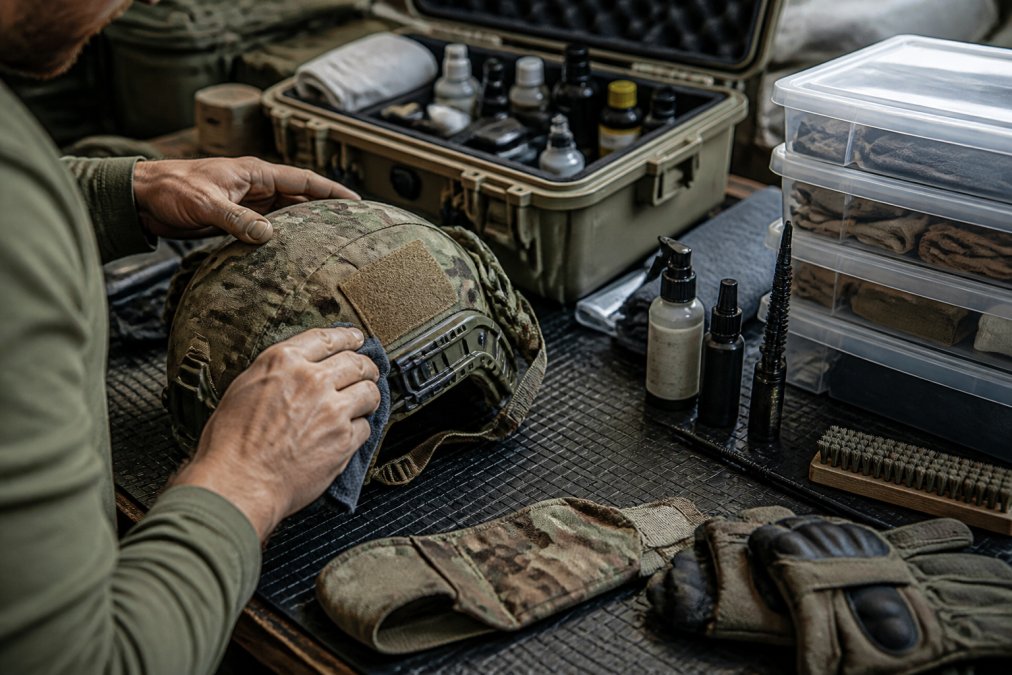
Cleaning protocols vary by gear type. Tactical apparel should be washed in cold water with mild detergent. Avoid bleach and fabric softeners, which degrade performance fabrics (peer-reviewed research). Air-dry rather than machine-drying to prevent heat damage.
Ripstop fabric care requires specific attention. Inspect ripstop surfaces for small tears before washing. Repair small tears immediately using ripstop repair patches to prevent minor damage from becoming major problems.
Load-bearing equipment needs inspection for stitching integrity and webbing condition. Check stress points where weight concentrates. Address fraying, loose stitching, or webbing separation immediately.
Storage conditions significantly impact gear longevity. Store gear in cool, dry environments away from direct sunlight. Excessive heat degrades synthetic fabrics, while moisture promotes mold growth and corrosion. Store gear in breathable containers rather than sealed plastic, and consider desiccant packets to manage humidity.
Metal component maintenance preserves functionality. Zippers, buckles, and attachment points benefit from occasional lubrication using light machine oil or specialized lubricants designed for tactical gear. Clean metal components before storage to prevent corrosion.
Regular maintenance transforms gear longevity. A tactical vest maintained properly functions reliably for years. Apparel kept clean and stored properly maintains performance characteristics. The investment in maintenance pays dividends through extended equipment life and reliable performance.
Authentic military gear for civilians 2026 represents more than apparel, it's functional equipment designed for demanding conditions. Whether you're a veteran honoring your service, an outdoor enthusiast demanding reliability, or someone committed to preparedness, authentic military gear delivers performance that civilian alternatives can't match. US Troop Gear, Inc. specializes in branch-specific apparel, embroidered caps, and challenge coins that authentically represent military heritage while meeting the durability standards that define real military equipment. Explore our collection of Army, Navy, Air Force, Marine Corps, and Coast Guard gear, and discover why those who've served choose authentic military equipment that respects their service and delivers the reliability they demand.
Frequently Asked Questions
What is the best tactical gear for civilians?
The best tactical gear for civilians depends on intended use. Mission-ready apparel with load-bearing capacity, moisture-wicking base layers, and modular systems work well for outdoor activities, emergency preparedness, and field work. Look for durable construction with ripstop fabric, ergonomic design, and MOLLE compatibility. Everyday carry essentials like multi-tools and field accessories round out a practical civilian loadout. Prioritize quality over quantity, field-tested gear from reputable brands outlasts cheaper alternatives.
Can civilians legally own tactical gear?
Yes, civilians can legally own tactical gear in the United States. There are no federal restrictions on purchasing or wearing tactical apparel, vests, or accessories. However, some jurisdictions may have local ordinances regarding body armor or certain equipment in specific contexts. Always verify local laws before purchasing ballistic protection or specialized gear. Wearing military-style clothing is protected as free expression and is not restricted by federal law.
How do you distinguish authentic military gear from replicas?
Authentic military gear shows specific markers: proper stitching with reinforced seams, genuine MOLLE webbing with precise spacing, correct fabric weight and weave patterns, and accurate insignia placement. Examine ripstop fabric for consistent weave quality and abrasion resistance. Check for proper mil-spec construction details like bartack reinforcement at stress points. Verify brand authenticity through official retailers. Genuine military surplus includes government property stamps or unit markings. Be cautious of suspiciously low pricing or vague product descriptions, which often indicate counterfeit items.
What makes military apparel different from regular outdoor clothing?
Military apparel is engineered for hard-use environments with durable construction standards. Ripstop fabric resists tears and abrasion better than standard materials. Load-bearing systems distribute weight ergonomically across shoulders and hips. Modular designs with MOLLE compatibility allow customization through field accessories. Moisture-wicking base layers manage sweat in demanding conditions. Tactical footwear provides ankle support and traction on varied terrain. These performance features and preparedness-focused design make military gear suitable for demanding civilian applications beyond what standard outdoor clothing provides.
Are there restrictions on wearing military-style clothing?
No federal restrictions exist on civilians wearing military-style clothing or tactical apparel. Wearing military-themed gear is protected free expression. However, impersonating active military personnel or wearing official uniforms with insignia can violate military law in certain contexts. Avoid wearing complete uniform replicas with rank insignia in official settings. Local ordinances may apply in specific situations. Branch-specific apparel and commemorative items are legal to wear without restriction. Always respect military heritage and avoid misrepresenting your service status.
What should I look for in best military apparel brands 2026?
Top military apparel brands prioritize durability, authentic design, and branch-specific customization. Look for companies offering embroidered designs inspired by real service heritage, modular gear systems with MOLLE compatibility, and field-tested construction. Reputable brands provide detailed product descriptions, transparent sourcing, and customer reviews from military communities. Check for specialized items like ship crests and unit-specific gear that demonstrate commitment to honoring actual service branches. Brands serving veterans and active duty personnel typically offer superior quality and respect for military culture compared to generic retailers.
How do I care for tactical gear to extend its lifespan?
Proper maintenance preserves gear durability. Clean ripstop fabric with mild soap and cold water, avoiding harsh chemicals that degrade material. Air dry completely to prevent mildew and moisture damage. Inspect stitching and MOLLE webbing regularly for wear. Store in cool, dry conditions away from direct sunlight, which weakens synthetic fabrics over time. Repair small tears immediately to prevent spreading. Treat zippers with silicone-based lubricants. Rotate gear use to distribute wear evenly. Proper storage solutions protect from pests and environmental damage, extending the life of mission-ready equipment significantly.
This article was written using GrandRanker