

Collecting Vintage U.S. Navy Ship Caps: A Buyer's Guide
Quick Summary
Vintage navy ship caps are valued by age, rarity, condition, and whether they are original or reproduction, so prices vary widely. Check recent completed listings before buying, since asking prices often run above what buyers actually pay. Verify the ship and hull number before paying a premium.
- Check recent completed listings, since asking prices often run well above what buyers pay.
- Confirm the ship, hull number and cap style match the listing before paying a premium.
- Look for crisp embroidery, a firm visor, an intact sweatband and a clean interior.
- Date the cap by construction first: panel count, visor type and sweatband come before embroidery.
- Ask sellers for close-up photos of the embroidery, inside label and sweatband before paying.
Table of Contents
- What Makes a Vintage Navy Ship Cap Worth Buying?
- How to Identify and Date a Vintage Ship Cap, Step by Step
- Where to Find Vintage U.S. Navy Ship Caps for Sale
- Spotting Reproductions: Navy Ship Cap Authenticity Checks
- Grading Condition and Preserving Your Vintage Military Hat Collection
- Building a Focused Collection You Can Display Proudly
- Frequently Asked Questions
How Much Are Vintage U.S. Navy Ship Caps Worth?
Prices for vintage U.S. Navy ship caps vary widely, depending on rarity, age, and condition. Value depends on the ship's history, the cap's age, its condition, and whether it is original or a reproduction. Check recent completed listings before you buy, since asking prices often run well above what buyers actually pay.
Vintage navy ship caps are among the most collected naval items because they tie a sailor to a specific vessel. A cap from a ship with a short service life or a notable record usually commands more interest than one from a ship that served routinely for decades. Early wartime examples and caps with intact cap ribbons and clear embroidery sit at the high end of the market.
For a sense of current pricing on newly made licensed ship caps, the USS Enterprise CV-6 Cap, USS Missouri BB-63 Cap, USS Alabama BB-60 Cap and USS Hornet CV-8 Cap are each listed at $31.25 on US Troop Gear, Inc.. New caps are a useful baseline: a vintage original should justify a premium through age, rarity or condition, not simply through the ship's name.
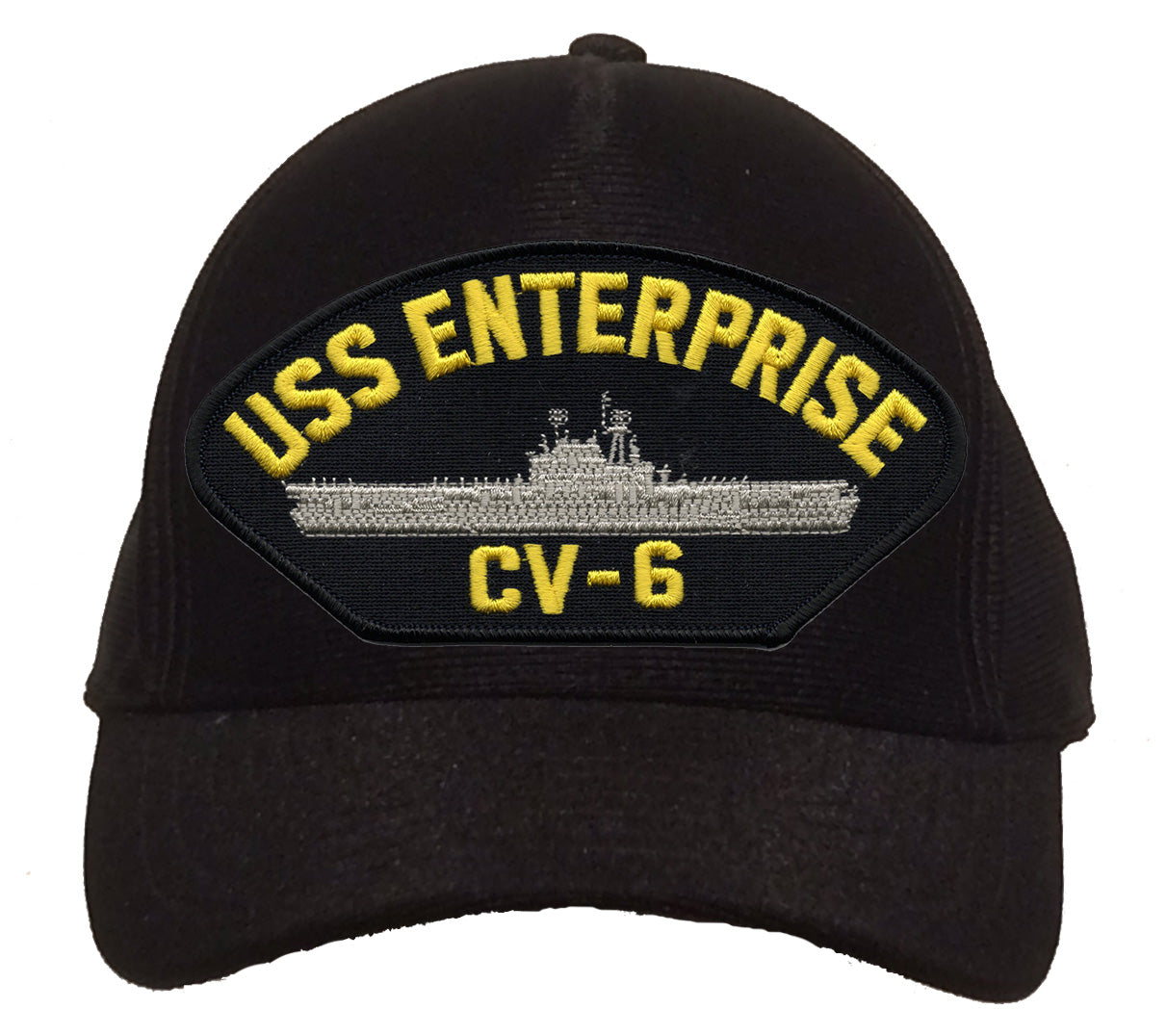
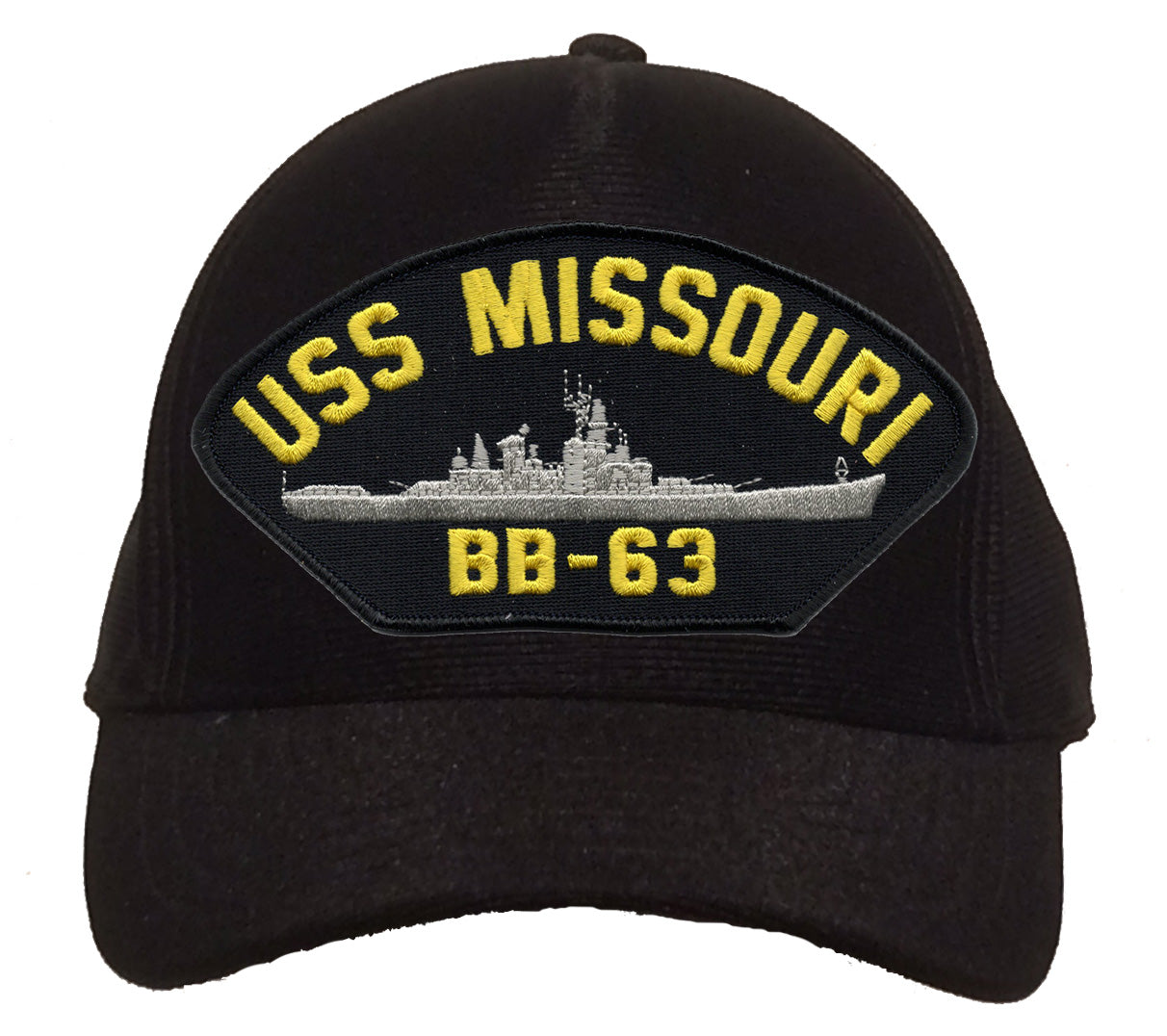
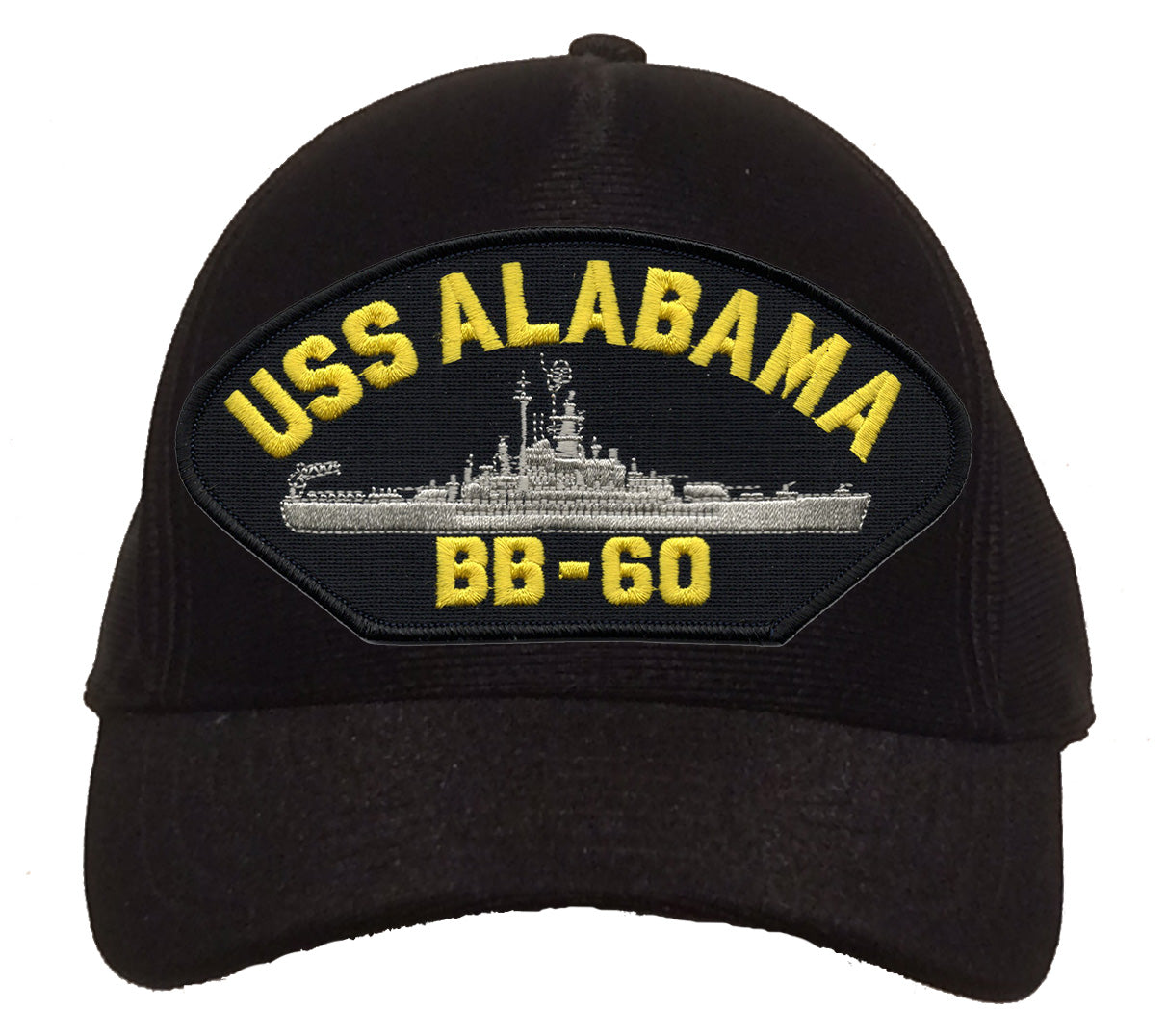
Watch out: sellers often attach a famous ship's name to a generic cap. Before paying a premium, confirm the ship, hull number and cap style match what the listing claims.
What Makes a Vintage Navy Ship Cap Worth Buying?
A vintage cap is worth buying when it offers something a new cap cannot: age, a documented connection to a real ship, and original construction. Start with the ship. Caps from vessels with long, distinctive service records tend to hold interest, while caps from ships with little public history are harder to resell.
Condition matters as much as rarity. Look for crisp embroidery, a firm visor, an intact sweatband and a clean interior. Heavy sun fading, moth damage, or a warped brim can cut value sharply, even on a rare ship.
US Troop Gear, Inc. covers how insignia on service caps developed over time, which helps explain why certain designs stand out to collectors.
How to Identify and Date a Vintage Ship Cap, Step by Step
Most listings give you a ship name and a guess at the era. A practical dating method works from the physical evidence outward: construction first, then embroidery, then labels and markings, then the ship record. Work through the cap in that order and write down what you see before you compare it to anything online.
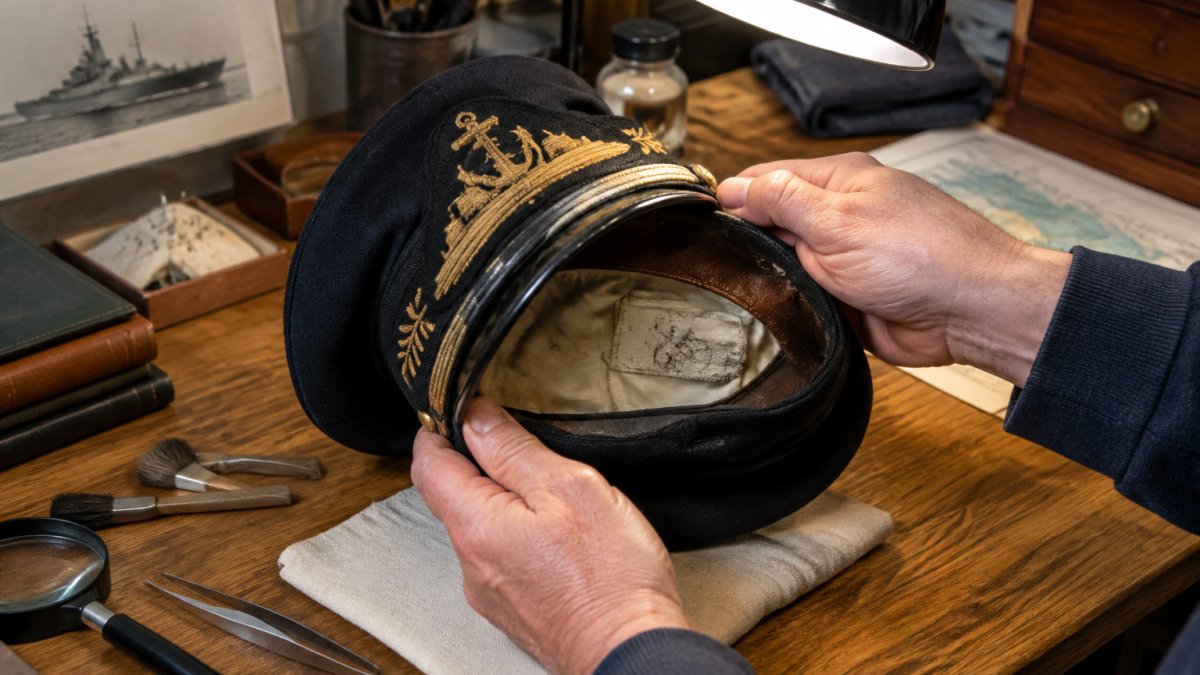
- Measure the crown and visor. Note the panel count (five-panel high-profile versus six-panel lower crown), the visor material (leather, vinyl, or plastic), and whether the visor is stitched or heat-sealed. These construction choices shifted by decade and are harder to fake than embroidery.
- Inspect the sweatband and interior. Look for leather versus vinyl, perforations, stitching density, and whether the band is glued or sewn. Note any manufacturer stamp, size tag, or contract number.
- Study the embroidery under raking light. Tilt the cap toward a lamp and look at thread weight, stitch density, and backing. Early embroidery tends to show denser, slightly irregular stitching and visible bobbin backing; modern production is more uniform and often uses a cut-away backing.
- Compare the ship outline and lettering to verified references. Match the hull number, ship silhouette, and insignia against official naval history records and period photographs, not against other listings.
- Record every detail and date the cap conservatively. Write down panel count, visor type, label text, thread colors, and any markings, then compare against at least two independent references before you assign an era.
Checking Embroidery, Cap Style and Construction
Embroidery is the fastest clue to age, but only if you read it correctly. Run your fingers across the ship outline and lettering. Crisp, even satin stitching usually points to quality production, while puckering, uneven thread weight, or loose backing often signals later reproduction work. Look at the reverse side: older pieces frequently show a paper or tear-away backing, while many modern caps use a cut-away stabilizer that leaves a clean edge.
Cap style narrows the era further. Note whether the cap is a high-profile five-panel design or a lower six-panel style, and whether the visor and crown match what that period typically used. A cap that pairs a period-correct crown with modern synthetic thread is a mixed signal worth investigating before you pay a premium. Because a period-correct silhouette can still conceal later alterations, compare its labels and hardware with the details emphasized by Urban Past & Present Finds Co.
Reading Ship Names, Hull Numbers and Service Records
Ship names and hull numbers should match each other and the vessel's known designation. Confirm the hull number against official naval history records before accepting a listing's claim. Service records, where available, can show which ships a sailor served on and when, which adds real provenance to a cap.
Watch out: a cap can carry a correct ship name and a hull number from a different vessel, so verify the pairing against a naval history source rather than trusting the embroidery alone.
Where to Find Vintage U.S. Navy Ship Caps for Sale
Vintage caps appear on online marketplaces, collector forums, estate sales and military memorabilia shops. Each source carries different risks. Marketplaces offer volume but require careful screening of photos and seller history. Collector groups often provide better authentication help. Estate sales can produce bargains but usually offer no return policy.
Whatever the source, ask for close-up photos of the embroidery, the inside label and the sweatband before paying. Reputable sellers will provide them without hesitation.
If you prefer new, licensed pieces to display alongside vintage finds, US Troop Gear, Inc. offers caps for several Navy vessels.
Each sourcing channel carries different risks and benefits, so weigh them before you buy:
| Source | Strength | Risk |
|---|---|---|
| Online marketplaces | Volume of listings | Requires careful screening of photos and seller history |
| Collector forums | Better authentication help | Varies by group |
| Estate sales | Possible bargains | Usually no return policy |
Spotting Reproductions: Navy Ship Cap Authenticity Checks
Reproductions are common, and some are convincing at a glance. A workable authenticity check compares the cap against documented originals of the same ship and style across four areas: materials, stitching, tags, and ship details. Run each check before you pay.
- Materials. Period-correct caps use materials that match the claimed era: wool or cotton blends, leather or vinyl sweatbands, and metal or early plastic visor inserts. Synthetic fabrics, bright modern thread, and plastic hardware on a cap listed as wartime-era are warning signs.
- Stitching. Original embroidery tends to show denser, slightly irregular stitching with visible backing; reproduction work is often too uniform and uses cut-away backing. Check the seam inside the crown for serging style and thread color.
- Tags and labels. Look at the font, size markings, and any contract or stock numbers. Labels with modern fonts, mismatched dates, or no manufacturer mark on a cap claimed as period-original deserve scrutiny.
- Ship details. Confirm the ship outline, hull number, and insignia match verified references for that vessel. A famous ship name on a generic cap is one of the most common traps.
Compare the piece against documented originals of the same ship and style, and ask the seller for close-up photos of the embroidery, the inside label, and the sweatband. When a seller cannot explain the cap's history or refuses to show the interior, treat that as a red flag.
Watch out: a convincing reproduction can pass a photo check but fail a hands-on materials check, so buy from sellers who accept returns and inspect the cap in person when you can.
Grading Condition and Preserving Your Vintage Military Hat Collection
Grade condition carefully before you pay. Major factors include fading, staining, fraying at the visor edge, embroidery loss and odor or moth damage. Original, unrestored caps with honest wear often hold value better than poorly restored examples.
Store caps in a cool, dry, dark place, ideally on a shaped form that keeps the crown from collapsing. Avoid plastic bags, which trap moisture. For cleaning, use a soft brush and test any product on an inconspicuous area first. Guidance on cleaning embroidered military hats without damage can help you avoid mistakes that lower value.
Building a Focused Collection You Can Display Proudly
A focused collection is usually worth more than a random pile of caps. Pick a theme, such as a single ship class, one era, or caps from ships a sailor served on, and build depth within it. Document each piece with photos, provenance notes and purchase prices.
For display, use shadow boxes or wall mounts that keep caps away from direct sunlight. Displaying military unit hat collections well protects both the caps and their story.
Frequently Asked Questions
Where can I buy U.S. Navy ship hats?
Vintage U.S. Navy ship caps turn up at estate sales, military surplus dealers, online marketplaces and collector forums. For new, licensed options, U.S. Troop Gear sells USS Enterprise CV-6, USS Missouri BB-63, USS Alabama BB-60 and USS Hornet CV-8 caps at $31.25 each, made in the USA and fully licensed by the Navy. Buying from sellers who show clear photos of the inside label, sweatband and embroidery helps you verify what you are getting before you pay.
How can you tell if a vintage Navy ship cap is authentic?
Start with the embroidery: genuine vintage caps usually show dense, slightly irregular stitching, and the ship outline should be crisp rather than printed. Check the inside label, sweatband stitching and cap construction against known examples from the same era. Reproductions often have uniform machine embroidery, modern fabrics and labels that do not match the period. When in doubt, compare the cap with photos of verified examples from collector groups before buying.
What affects the value of a vintage U.S. Navy ship cap?
Value depends mainly on rarity, the ship's history, condition and provenance. Caps from ships with short service lives or limited production runs tend to bring higher prices, while widely issued examples sell for less. Original embroidery, intact sweatbands and documented ownership all add value. Compare recent sold listings rather than asking prices to get a realistic picture of what collectors actually pay.
How should you store and display a vintage ship cap?
Keep the cap out of direct sunlight, which fades dye and weakens fabric, and away from humidity that encourages mildew. Store it on a shaped cap form or loosely folded in acid-free tissue, not compressed. For display, use a closed glass case with low UV exposure. Handle the cap with clean, dry hands and avoid pressing on the embroidery, which can crush the stitching over time.
